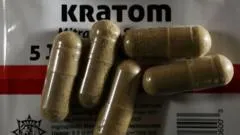
Kratom is a Southeast Asian herbal product that has gained significant popularity in the United States due to its opioid-like properties. While users often seek it for pain management and anxiety, officials are raising alarms regarding its unregulated nature and potential for harm. The herb is currently legal in many US states but banned in 11, including Massachusetts and Alabama. This article explores the biological effects of kratom, the dangers of its lack of federal oversight, the legal landscape in the US and abroad, and the risks of addiction.
What is kratom and where does it come from?
Kratom is a plant native to Southeast Asian nations, including Indonesia, Malaysia, and Thailand, where it has been utilized for centuries. Traditionally, the plant material was grounded and consumed in a manner similar to tea, primarily for its stimulant properties. However, the substance has undergone a significant transformation in how it is consumed in Western markets.
Since entering the United States market around 2016, kratom has moved away from traditional tea preparations toward highly concentrated forms. Today, it is most commonly found as powders, liquids, or pills. This shift in consumption has changed the profile of the substance from a mild traditional botanical to a potent supplement often sold in high-traffic retail environments such as convenience stores, petrol stations, and vape shops.
The shift to concentrated supplements
The transition from traditional tea to concentrated extracts is a primary driver of modern concern. Because the plant's compounds, such as 7-Hydroxymitragynine, are much more potent in these concentrated forms, the physiological impact on the user is significantly more intense than historical traditional use might suggest.
How does kratom affect the human body?
Kratom acts on the body through various hormonal pathways, most notably by activating dopamine. The physiological response to the herb is dose-dependent, meaning the effects change significantly based on the amount consumed. At lower doses, users often report a stimulant effect, described by experts as a sensation similar to a caffeine buzz.
At higher doses, the substance exhibits opioid-like effects, which can produce euphoria or a general high. Because of these properties, some individuals attempt to use kratom as a tool to manage withdrawal or curb addictions to more potent opioids like fentanyl. However, these same properties carry substantial risks, including the potential for hallucinations and severe central nervous system (CNS) depression.
The danger of CNS depression
Central nervous system depression represents one of the most critical medical risks associated with high-dose kratom consumption. According to Dr. Shane Speights, dean of the New York Institute of Technology College of Osteopathic Medicine at Arkansas State University, this type of depression can lead to life-threatening consequences, including cardiovascular collapse and the loss of respiratory function.
What are the risks of addiction and withdrawal?
Addiction and the development of high tolerance are significant concerns for healthcare professionals monitoring kratom use. Because the body adapts to the substance, users frequently find they must increase their dosage to achieve the same therapeutic or euphoric effects. This cycle of increasing consumption can lead to severe dependency.
The consequences of kratom addiction often extend beyond physical health, impacting the social and financial stability of the user. Jana Wu, director of clinical integration at the Mountainside addiction treatment centre, has observed that the habit can lead to the loss of employment and the expenditure of thousands of dollars per month. Furthermore, the strain of addiction frequently damages marriages and personal relationships.
Recognizing withdrawal symptoms
While the specific clinical profile of kratom withdrawal is an area of ongoing study, the social and behavioral indicators of dependency are well-documented by addiction specialists. The rapid escalation of dosage—sometimes reaching up to 20 pills a day in extreme cases—highlights the difficulty users face when attempting to cease consumption.
Why is the lack of regulation a major concern?
The primary danger identified by medical experts is the absence of federal regulation by the US Food and Drug Administration (FDA). Because kratom is classified as a supplement rather than a drug, there is no standardized oversight regarding its purity, potency, or ingredients. This creates a marketplace where the actual contents of a product may not match its label.
Dr. Speights notes that the current regulatory environment allows for a lack of accountability in manufacturing. It is theoretically possible for individuals to produce substances in unregulated environments and market them as supplements without any federal verification of their safety or composition. This uncertainty makes it impossible for medical professionals to define a "safe dose" for the general population.
Is kratom legal in the United States and abroad?
The legal status of kratom is a complex patchwork of state and international laws. In the United States, kratom is currently banned in 11 states: Alabama, Arkansas, Connecticut, Indiana, Kansas, Louisiana, Massachusetts, North Dakota, Tennessee, Vermont, and Wisconsin. The legal landscape is constantly shifting, as seen with Massachusetts issuing a temporary emergency order to ban the substance in August.
While the US Drug Enforcement Agency (DEA) attempted to classify kratom as a Schedule 1 substance—the most restrictive category—this effort was halted following significant public opposition. This has left much of the regulatory burden to individual states. Some states, such as Arizona, have taken legal action against companies selling kratom-based beverages, while advocacy groups like the American Kratom Association focus on distinguishing natural kratom from synthetic alternatives.
International legal status
Outside of the United States, the legal status of kratom varies widely. In Malaysia, a country where the kratom tree is native, the sale and consumption of the plant are strictly prohibited under the Poisons Act of 1952. In contrast, other nations may treat it with different levels of scrutiny, though the global trend in many highly regulated regions, such as the UK, is toward prohibition.
FAQ: Frequently asked questions
What are the most common uses for kratom?
Kratom is frequently marketed as a natural supplement for managing pain, anxiety, and depression. Some users also utilize its opioid-like properties in an attempt to mitigate the symptoms of addiction to substances like fentanyl, though this practice carries high risks.
Is kratom a stimulant or a narcotic?
Kratom can function as both depending on the dosage. At lower doses, it acts as a stimulant, providing a sensation similar to caffeine. At higher doses, it acts more like a narcotic, producing euphoria and opioid-like effects.
Why is kratom considered dangerous by officials?
The danger stems from its lack of FDA regulation, meaning there is no guarantee of purity or dosage accuracy. Additionally, high doses can cause central nervous system depression, which can lead to respiratory failure or cardiovascular collapse.
Can you become addicted to kratom?
Yes, kratom carries a significant risk of addiction and high tolerance. Users often find they need larger amounts to achieve the same effect, which can lead to financial strain, job loss, and damaged personal relationships.
Which US states have banned kratom?
Kratom is currently illegal in 11 states: Alabama, Arkansas, Connecticut, Indiana, Kansas, Louisiana, Massachusetts, North Dakota, Tennessee, Vermont, and Wisconsin. The legal status can change based on state-level emergency orders and legislation.
Key takeaways
- Kratom is an unregulated supplement in the US with opioid-like properties.
- High doses can cause central nervous system depression and respiratory failure.
- The substance is currently banned in 11 US states, including Massachusetts.
- Users may develop high tolerances, leading to addiction and significant social issues.
Conclusion
Kratom remains a deeply polarizing substance, caught between those seeking natural alternatives for chronic pain and officials warning of its potential for devastation. The lack of federal oversight in the United States creates a volatile market where potency and purity are unverified, posing a significant risk to public health. As the debate between prohibitionists and pro-kratom advocacy groups continues, the medical community remains focused on the dangers of addiction and the physiological risks of unregulated, highly concentrated botanical extracts.