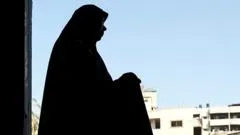
Violence against women in Gaza has reached critical levels, with recent data showing a significant escalation in gender-based violence. According to the UN Population Fund (UNFPA), reported cases of early and forced marriage surged by 123% in the second quarter of 2026 compared to the first quarter. The report highlights how protracted conflict, displacement, and the collapse of social structures have exposed women and girls to extreme risks. This article examines the rise in child marriage, the prevalence of sexual violence, and the humanitarian factors driving these trends.
Why is violence against women in Gaza increasing?
The escalation of gender-based violence in the Gaza Strip is directly linked to the total breakdown of social and legal structures caused by three years of continuous conflict. Nestor Owomuhangi, the UNFPA representative to Palestine, noted that the extreme circumstances—including mass destruction and multiple waves of displacement—have eroded the systems that previously protected vulnerable populations.
The humanitarian crisis has created a vacuum where protection mechanisms no longer function. With nearly two million people displaced and most living in squalid tent camps or damaged buildings, the lack of privacy and security has intensified risks. In a socially conservative society, the absence of safe spaces and the loss of traditional family protections have left women and girls particularly exposed to harassment and abuse.
The impact of displacement and poverty
Poverty and hunger act as primary catalysts for violence. While some food markets have reopened, extreme poverty remains widespread, forcing many families to rely on charitable aid. In some instances, extreme desperation has led to the exploitation of young girls for basic necessities. One woman interviewed for the report recounted a case where a father married off his 14-year-old daughter in exchange for two bags of flour to feed his other children. Such exchanges, which were reportedly unthinkable prior to the 2023 conflict, illustrate how survival needs are being met through the commodification of minors.
How has child marriage surged in the Gaza Strip?
Early and forced marriage incidents saw a dramatic increase in 2026, with the UNFPA reporting a 123% rise in cases during the second quarter compared to the previous quarter. These marriages involve girls aged between 12 and 17. The report suggests that families often view early marriage as a survival strategy or a method of protection.
Several factors contribute to this trend:
- Protection and Modesty: In crowded displacement camps, families may marry daughters off early to shield them from sexual harassment and to preserve family modesty.
- Economic Burden: Orphaned girls are at high risk. One woman reported that uncles of orphaned girls often marry them off young to avoid the financial responsibility and expenses of care.
- Loss of Education: Prior to the war, girls in Gaza outperformed boys in education. However, prolonged school closures and the need for informal work for boys have left girls more vulnerable to domestic pressures.
The legal landscape has also shifted. While Gaza law allows exceptions to the minimum marriage age of 17 with judicial authorization, the closure of Islamic courts for much of the war has reportedly removed essential legal safeguards that previously regulated these processes.
What are the implications of adolescent pregnancy in Gaza?
The rise in child marriage has led to a surge in adolescent pregnancies, which carry severe health risks for young girls in Gaza. The Women's Affairs Center in Gaza, working alongside the UNFPA, has documented numerous cases where girls in their early teens have suffered from abuse and subsequent pregnancy.
According to Nestor Owomuhangi, the consequences of these pregnancies are particularly devastating due to the intersection of biological and environmental factors. Girls whose bodies are not fully developed are facing these challenges while simultaneously dealing with:
- Chronic hunger and malnutrition.
- Unhygienic living conditions in displacement camps.
- A lack of knowledge regarding infant care and personal health.
The UNFPA and local NGOs report that adolescent mothers in these conditions are significantly more likely to experience miscarriages and give birth to underweight babies compared to adult women.
What is the current state of sexual violence reporting?
Sexual violence, including rape and sexual assault, has reached critical levels in Gaza. The UNFPA-led task force reported that these incidents accounted for 2.7% of all reported gender-based violence between April and June 2026, an increase from 2.1% in the preceding quarter. This represents a 61% surge in absolute case numbers.
This increase is partly attributed to improved efforts to raise awareness and provide confidential reporting mechanisms. However, true figures likely remain under-reported due to the intense social stigma and fear of retaliation. Demographic data from the UNFPA indicates that the majority of survivors are women aged 18-59, while adolescent girls make up 8% of reported cases.
Environmental risks in displacement camps
The physical environment of the camps exacerbates the risk of sexual violence. UN safety audits have identified that women and girls face heightened dangers at night, particularly when attempting to access camp toilets and bathrooms. The lack of adequate lighting and sanitation infrastructure makes these essential tasks high-risk activities. Aid agencies have called for improved humanitarian access to allow for higher-quality shelters, upgraded latrines, and better lighting to mitigate these specific dangers.
How has the demographic shift affected female vulnerability?
The conflict has fundamentally altered the household structure in Gaza, doubling the number of female-headed households. Nearly one in four households is now reportedly headed by a woman, a significant increase from pre-war levels. This shift places women in positions of responsibility without the traditional support systems or economic resources required to maintain safety.
Widows and women whose husbands are missing or detained are identified as being at the highest risk of exploitation. The lack of stable housing further compounds this; one woman interviewed for the report described being offered a tent in exchange for sexual favors, highlighting the predatory nature of the current humanitarian environment.
Frequently asked questions
What is considered early marriage by the UN?
The United Nations and most humanitarian organizations define early marriage as any marriage involving a child under the age of 18. In Gaza, these incidents have seen a massive increase due to the breakdown of social and legal protections during the ongoing conflict.
Why are sexual violence cases being reported more frequently now?
The 61% surge in reported sexual violence cases is linked to increased efforts by humanitarian agencies to raise awareness and provide confidential channels for reporting. This allows more survivors to come forward despite the significant social stigma associated with such incidents.
How does the conflict affect girls' education in Gaza?
Prolonged school closures and the collapse of public services have led to many children dropping out. While boys are often pressured into informal labor, girls face heightened safety risks and are frequently married off early, which effectively ends their educational opportunities.
What are the primary health risks for child brides in Gaza?
Adolescent girls face high risks of miscarriage and delivering underweight babies. These complications are worsened by the lack of medical resources, chronic hunger, and the fact that their bodies may not be fully developed to sustain a pregnancy.
What role does poverty play in gender-based violence?
Extreme poverty and food insecurity drive many forms of violence, including the exchange of young girls for food or basic supplies. Families facing starvation may see early marriage as a way to reduce the number of dependents they must feed.
Key takeaways
- Reported early and forced marriage cases in Gaza increased by 123% in Q2 2026.
- Sexual violence incidents saw a 61% absolute increase in reported cases during the same period.
- Nearly 25% of Gaza households are now headed by women, doubling pre-war levels.
- Adolescent pregnancies in Gaza are linked to higher rates of miscarriage and underweight infants.
Conclusion
The reports from the UNFPA paint a harrowing picture of the systemic violence facing women and girls in the Gaza Strip. The convergence of extreme poverty, mass displacement, and the collapse of legal and social frameworks has created a landscape where gender-based violence is both escalating and becoming a tool for survival. While improved reporting mechanisms are bringing these issues to light, the underlying humanitarian crisis continues to drive vulnerable populations toward increasingly dangerous outcomes. Addressing these risks requires not only improved safety and sanitation in camps but also a restoration of the fundamental protections that safeguard women and children.