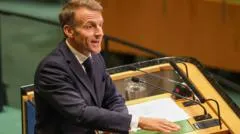
As global delegations convene in New York, the United Nations General Assembly is marked by Donald Trump's threats, Andy Burnham's diplomatic debut, and António Guterres's farewell. These shifting dynamics signal a period of intense political transition for the world's most prominent diplomatic forum.
Diplomatic activities and high-level speeches
The United Nations General Assembly event is currently underway in New York, serving as a massive gathering for international diplomacy. Delegations from across the globe have arrived to participate in a series of scheduled meetings and to deliver formal speeches intended for the international community. This gathering provides a critical platform for world leaders to engage in direct dialogue and address a wide range of global concerns.
A significant moment in the current proceedings is the farewell speech delivered by UN Secretary-General António Guterres. This address marks a major transition for the United Nations as Guterres prepares to step down from his leadership role within the organization, concluding his tenure through this formal address to the assembly.
Key political developments and tensions
The assembly has been defined by intense political rhetoric and significant new diplomatic interactions. US President Donald Trump contributed to the heightened atmosphere with a forceful statement, issuing a threat to "annihilate Iran." This declaration highlights the ongoing volatility and the high level of tension present in Middle Eastern relations during these sessions.
Contrasting these threats are the new diplomatic connections being forged on the sidelines of the event. The United Kingdom's new prime minister, Andy Burnham, has utilized the assembly to conduct his first meetings with various world leaders. These initial interactions represent a key moment for the new British administration as it establishes its presence on the global stage through these high-level bilateral engagements.
Context of the assembly
The United Nations General Assembly serves as a central hub for global politics, where the mix of leadership changes and geopolitical friction is on full display. The current session is characterized by this duality: the departure of long-standing figures like António Guterres and the arrival of new leadership, such as Andy Burnham, set against a backdrop of aggressive international posturing.
As the event continues, the sessions are expected to remain a focal point for global attention, with leaders engaging in further scheduled debates and various meetings as they navigate the complex landscape of international security and cooperation.