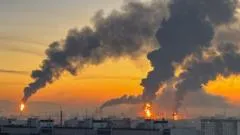
A massive drone swarm targeting the Moscow region has hit a key oil refinery and residential buildings, marking one of the largest aerial operations directed at the Russian capital. This significant escalation in long-range strikes highlights the increasing vulnerability of critical infrastructure located deep within Russian territory. As the drones descended upon the outskirts of the capital, local authorities reported explosions and fires at the fuel facility. The operation comes at a sensitive time for the Kremlin, as the nation manages internal security concerns and ongoing military pressures from the front lines.
What was the scale of the Moscow drone attack?
The scale of the drone operation was unprecedented, with Moscow Mayor Sergei Sobyanin describing it as the most massive attack the capital has faced. According to the Mayor, defense systems intercepted 450 drones directed at the Moscow region. The sheer volume of the incoming swarm necessitated significant air defense activity and caused widespread disruption across the capital's airspace.
The attack was not merely a psychological operation but a targeted strike on critical infrastructure. Social media footage, though not independently verified by the BBC, showed explosions in the night sky over Moscow and a warehouse in flames. The intensity of the barrage forced major transport hubs to implement emergency protocols and highlighted the vulnerability of the metropolitan area to large-scale unmanned aerial vehicle (UAV) swarms.
Impact on aviation and transport
The aerial activity caused immediate chaos at Moscow's primary aviation gateways. Vnukovo airport was forced to halt all arrivals and departures, while Sheremetyevo airport implemented temporary restrictions overnight. While these restrictions were lifted by Sunday morning, authorities warned of potential flight delays. Such disruptions highlight how drone warfare can effectively paralyze a major metropolitan transport network even without direct hits on runways, creating logistical bottlenecks in one of Russia's most vital hubs.
How did the strike affect Russian energy infrastructure?
The strike successfully targeted a key Russian oil refinery, causing significant damage to three essential units. This facility is a vital node in the Russian energy network, responsible for supplying more than one-third of the fuel required for the Moscow region. According to the Ukrainian defence ministry, the refinery produces essential petrol, diesel, and aviation fuel, much of which is diverted to support Russian military operations.
Ukrainian President Volodymyr Zelensky characterized the hit on the refinery and a nearby logistics site as a strike against the "war machine," noting that these facilities represent "billions of dollars that sustain the war machine." By targeting these specific nodes, Ukraine aims to degrade the economic and logistical capacity of the Russian military. The Ukrainian defence minister noted that such strikes directly undermine the ability of the Russian state to sustain its military formations and continue its current military campaign of aggression.
What is the connection between the attack and the Russian elections?
Mayor Sergei Sobyanin suggested that the massive drone influx was an attempt to disrupt the Russian parliamentary elections. The attack occurred during the third day of voting on Sunday, a period when the Kremlin maintains tight control over the electoral process. Critics of the Russian government have long dismissed these elections as lacking transparency and failing to meet standards for being free or fair.
The timing of the strike adds a layer of political complexity to the conflict. While the Kremlin views such attacks as attempts to destabilize the domestic political environment during a sensitive voting period, Kyiv views them as necessary tactical strikes against the economic foundations of the war. The intersection of military objectives and electoral cycles remains a prominent feature of the current conflict dynamics, as seen in reports from Russian state media that an election official was among those killed by a drone attack on a bus in a Moscow-controlled part of Kherson on Sunday.
What has been the human cost of recent strikes in both regions?
The human toll of the recent escalation has been severe for both Russian and Ukrainian civilians. In the Moscow region, Governor Andrei Vorobyev reported that the drone strikes resulted in at least two deaths and 20 injuries. Specific casualties included a 44-year-old woman in Sofyino following a hit on a three-storey residential building and an elderly man in the Orekhovo-Zuevo district after a private house was struck.
Ukrainian civilian areas have also suffered significant losses due to Russian retaliatory or ongoing strikes. In the Kyiv and Sumy regions, Ukrainian officials reported nine deaths, including three children. Specific incidents included:
- A mother and her two children killed in Fastiv, Kyiv, according to regional head Tymur Tkachenko.
- A child dying in a hospital following an attack in Vyshhorod, north of Kyiv.
- Four people killed in the Sumy region when a Russian drone struck their vehicle, according to official Oleh Hryhorov.
- A member of the clergy killed during a strike on a monastery in the Kherson region, as confirmed by President Zelensky.
These figures underscore the high stakes of the current phase of the war, where energy and logistics hubs are increasingly targeted at the cost of civilian lives on both sides of the front line.
How does the conflict align with international political shifts?
The intensification of strikes on energy infrastructure comes despite claims from US President Donald Trump that both sides had reached an agreement not to target such facilities. However, the reality on the ground contradicts these assertions, as both Russia and Ukraine continue to hit energy-generating and transport facilities.
Simultaneously, the United States has moved to tighten economic pressure through new legislation. President Trump recently signed a sanctions bill that introduces significant tariffs on the primary purchasers of Russian oil and gas, specifically targeting major buyers like China and India. The legislation grants the US president the authority to impose tariffs as high as 100% on those importing Russian energy, aiming to further isolate the Russian economy and reduce the revenue available for its military operations.
FAQ: Moscow drone attack
How many drones were involved in the Moscow attack?
According to Moscow Mayor Sergei Sobyanin, the attack involved a massive swarm of drones, with 450 units being shot down by Russian defense systems. This represents the largest single drone operation directed at the Moscow region reported to date.
What specific infrastructure was damaged in the strike?
The attack hit a key oil refinery and a logistics site. Ukrainian officials confirmed that three critical units at the refinery were damaged. This facility is vital as it provides over one-third of the fuel for the Moscow region.
Did the attack affect travel in Moscow?
Yes, the attack caused significant disruptions at major airports. Vnukovo airport halted all flight operations, and Sheremetyevo airport implemented temporary restrictions. While services resumed by Sunday, travelers were warned to expect potential delays.
What was the impact on the Russian elections?
Mayor Sobyanin stated the attack was an attempt to disrupt the third day of the Russian parliamentary elections. The elections are heavily controlled by the Kremlin and have faced criticism regarding their fairness and transparency.
What is the current status of US sanctions on Russian energy?
The US has implemented new legislation allowing for tariffs of up to 100% on major purchasers of Russian oil and gas. This policy specifically targets large importers such as China and India to weaken the Russian economy.
Key takeaways
- A massive drone swarm of 450 units targeted the Moscow region.
- A major oil refinery supplying one-third of Moscow's fuel was hit, with three key units damaged.
- The strike coincided with the third day of Russian parliamentary elections.
- Major Moscow airports, including Vnukovo, faced operational shutdowns.
- New US legislation targets Russian energy buyers with up to 100% tariffs.
Conclusion
The massive drone attack on the Moscow region marks a significant escalation in the targeting of critical Russian infrastructure. By striking a refinery that provides a third of the capital's fuel, Ukraine has demonstrated its capability to strike the economic heart of the Russian state. While the Kremlin views these actions as attempts to destabilize its electoral processes, Kyiv maintains they are essential to degrading the military's logistical capacity. As international economic pressure through US tariffs intensifies, the conflict continues to move toward a high-intensity war of attrition focused on energy and transport networks.