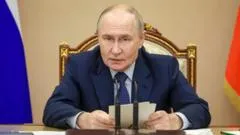
Russia's election results have confirmed the continued dominance of the Kremlin-backed United Russia party in the State Duma. Preliminary data suggests the ruling party is on track to retain its constitutional majority with an even larger margin than in the previous term. This outcome comes despite the ongoing conflict in Ukraine, which has brought economic strain and domestic disruptions, including petrol shortages following drone strikes on energy infrastructure. While the vote was largely predictable within the existing political framework, the Kremlin's strategic use of these results to justify further military escalations and potential mobilization remains a critical concern for international observers.
What do the preliminary results for the State Duma reveal?
Preliminary results indicate that United Russia, the primary party supporting President Vladimir Putin, is poised to maintain its constitutional majority in the State Duma. The ruling party's performance suggests an even stronger presence in parliament than during the previous legislative cycle. This consolidation of power occurs despite the significant challenges posed by the protracted war in Ukraine, which has entered its fifth year and resulted in substantial military losses and economic volatility.
While United Russia remains the dominant force, other parties that successfully cleared the 5% electoral threshold have also secured seats in the new Duma. However, these parties were part of the previous parliament and have consistently demonstrated total alignment with the Kremlin's objectives and the ongoing 'special military operation.' The legislative landscape remains essentially unchanged, ensuring that the State Duma continues to function as a body that supports, rather than challenges, executive decisions.
The impact of economic and military pressures
The election took place against a backdrop of significant domestic instability. The Russian economy has faced considerable stress due to the prolonged conflict, and recent Ukrainian drone strikes on oil facilities have led to widespread petrol shortages. Despite these pressures, the electoral outcome shows no significant shift in the legislative composition, suggesting that the Kremlin's control over the political process remains intact despite the external and internal costs of the war.
How was the opposition managed during the election?
The exclusion of meaningful opposition was a defining feature of this electoral cycle, most notably seen in the treatment of the Yabloko party. Although Yabloko was the only anti-war party permitted to participate, its presence on the ballot was extremely brief. Just twelve days after being officially registered, the Supreme Court removed the party from the ballot, a move widely interpreted as a response to the growing traction of its pro-peace messaging among the public.
Nikolai Rybakov, the chairman of Yabloko, expressed skepticism regarding the possibility of any genuine political change within the new Duma. He noted that the current system ensures a legislative body that is 100% aligned with Putin's policies. While the party was stripped of its list status, approximately one hundred of its candidates attempted to run in individual constituency races. However, preliminary results indicate that none of these candidates have successfully secured seats in the new parliament.
Barriers to opposition participation
According to Yabloko, the party faced systemic hurdles throughout the campaign. Chairman Rybakov stated that several candidates who intended to run were imprisoned, while many others were barred from participating entirely. Furthermore, the party reported that several of its election observers were denied registration, which prevented them from effectively monitoring the integrity of the voting process. These factors combined to create an environment where organized opposition faced significant structural disadvantages.
What was the atmosphere in Moscow during the vote?
The election coincided with increased kinetic activity from Ukraine, including a large-scale drone attack on the Moscow region during the final day of voting. These strikes resulted in three deaths in the Moscow region and hit an oil refinery within the capital. For residents of Moscow, these incidents have become a recurring element of daily life rather than a source of sudden shock.
Interviews with local voters suggest a sense of quiet resignation regarding the escalating conflict. As the war enters its fifth year, the perception among many Muscovites is that the city has become a periodic front line. This normalization of conflict is echoed by residents in border regions like Belgorod and Bryansk, who have grown accustomed to the daily realities of the war. This psychological shift indicates a level of endurance, but also a detachment from the immediate political implications of the strikes.
How will the Kremlin utilize these election results?
The Kremlin is expected to frame the election results as a definitive mandate from the Russian people to continue the current course of the war in Ukraine. By presenting the victory of United Russia as proof of national unity, the administration can justify subsequent military decisions and policy shifts. The predictable nature of the results allows the leadership to claim that the populace remains behind the president despite the ongoing hardships.
However, beneath the surface of the official mandate, there remains significant societal anxiety. A primary concern for many in Russian society is the possibility of a new wave of large-scale mobilization. While the election provides the political cover necessary for the Kremlin to pursue its strategic goals, the tension between the official narrative of unity and the underlying fear of increased military conscription remains a volatile factor in Russian domestic stability.
FAQ: Russia's election results
Which party won the majority in the State Duma?
United Russia, the party supporting President Vladimir Putin, is on track to retain its constitutional majority. Preliminary results suggest the party will hold an even larger number of seats in the new Duma than it did in the previous parliamentary term, maintaining its dominance over the legislative process.
What happened to the Yabloko party during the election?
Yabloko, the only permitted anti-war party, was removed from the ballot by the Supreme Court just twelve days after its registration. Although some candidates ran in individual constituency races, preliminary data shows that none of them successfully won seats in the new parliament due to sustained political pressure.
How did the war in Ukraine affect the election period?
The war has caused economic difficulties and petrol shortages due to drone strikes on oil facilities. Additionally, a large-scale Ukrainian drone attack on the Moscow region occurred during the final day of the three-day election, resulting in three deaths and hits on a refinery.
Will the new Duma change Russia's political direction?
It is unlikely that the new Duma will change Russia's political direction. The parties that cleared the 5% threshold are those that were present in the previous parliament and are fully supportive of the Kremlin's policies and the ongoing military operations in Ukraine.
What is the primary concern regarding future mobilization?
Despite the Kremlin's claim of a popular mandate, there is deep-seated anxiety within Russian society regarding the possibility of a new round of mobilization. This fear exists as a counter-narrative to the official portrayal of national unity and support for the war.
Key takeaways
- United Russia is set to retain its constitutional majority in the State Duma with an increased margin.
- The Yabloko party was removed from the ballot by the Supreme Court shortly after registration.
- Ukrainian drone strikes on Moscow and oil facilities occurred during the election period.
- The Kremlin intends to use the results as a mandate to continue the war in Ukraine.
- Significant public anxiety remains regarding the potential for new military mobilization.
Conclusion
The recent Russian elections have reinforced the existing power structure, leaving the legislative landscape unchanged. While the dominance of United Russia provides the Kremlin with a clear path to continue its current military and domestic policies, the context of the election is marked by significant tension. Between the economic pressures of the war, the exclusion of opposition voices like Yabloko, and the persistent fear of mobilization, the "mandate" claimed by the Kremlin faces a complex social reality. The true impact of these results will be measured by how the administration translates this legislative control into the next phase of the conflict.