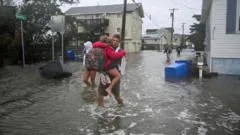
A powerful nor'easter storm has struck the northeastern United States, leaving a trail of destruction across several major states. The extreme weather event has resulted in at least one fatality and triggered widespread states of emergency in New York and New Jersey. As coastal flooding and high winds continue to impact the region, residents face significant disruptions to travel and daily life. This report examines the storm's impact on infrastructure, safety, and major scheduled events while assessing the long-term recovery needs for the affected coastal communities.
Fatalities and emergency declarations in the Northeast
A single fatality has been confirmed in Brooklyn, New York City, where a man was killed by a falling tree during the storm's peak. This incident highlights the immediate physical dangers posed by the high winds and heavy rainfall associated with the nor'easter. In response to the escalating situation, authorities have declared states of emergency in both New York and New Jersey, as these regions grapple with severe coastal deluges.
The US National Weather Service (NWS) issued warnings regarding dangerous beach conditions and intense rainfall. According to the NWS, the storm brought "dangerous coastal flooding and beach conditions, strong winds and heavy rainfall" to major hubs including Boston and New York City. The threat is particularly acute in low-lying areas where the combination of storm surges and a projected full moon is expected to exacerbate the inundation of coastal properties.
Local government warnings
Officials are urging extreme caution to prevent further loss of life or injury. NYC Mayor Zohran Mamdani released a video message advising residents to avoid all non-essential travel. He specifically cautioned citizens against attempting to drive or walk through floodwaters, emphasizing the hidden dangers of moving water.
Widespread infrastructure and utility disruptions
The nor'easter has caused significant damage to the region's power grid and transportation networks. According to tracker PowerOutage, more than 160,000 households, primarily located in the northeastern US, have experienced electricity outages. These power cuts are largely attributed to wind gusts reaching up to 55mph (86km/h), which have been responsible for bringing down trees and electrical lines across multiple states.
Transportation has been equally paralyzed by the weather conditions. According to FlightAware, the aviation sector faced massive delays on Saturday, with more than 2,400 flights delayed and an additional 1,199 flights grounded. This disruption has left travelers stranded and forced airlines to overhaul their schedules to account for the hazardous conditions stretching from Virginia to Maine.
Impact on coastal communities and flooding
Coastal towns in New Jersey are currently experiencing severe inundation as floodwaters move into residential and commercial areas. In communities such as Surf City and Manasquan, streets and homes have been submerged by the rising tide. The NWS has issued urgent alerts for those living near the shore, advising immediate preparation for significant flooding in low-lying zones.
The risk of property damage remains high as the storm continues to batter the coastline. The NWS warned that the combination of heavy rainfall and coastal surges could lead to "impacts to homes and businesses" and leave many roads completely underwater. The presence of a full moon has been identified as a complicating factor, likely increasing the height of the tidal surges hitting the shore.
Mass cancellations of major events and sports
The severity of the nor'easter has forced the cancellation or relocation of numerous high-profile cultural and sporting events. In the Boston area, the Gillette Stadium venue confirmed that a scheduled concert by Ed Sheeran was cancelled due to safety concerns. Similarly, the Global Citizen Festival in New York City's Central Park, which featured headliners such as John Legend, Wyclef Jean, and Lauryn Hill, was unable to proceed.
Professional sports have also been heavily impacted by the weather. In Boston, the Red Sox were forced to move their series finale against the Chicago Cubs to a Sunday afternoon slot in Florida to ensure player and fan safety. In the soccer arena, a professional match between St Louis City SC and Red Bull New York was cancelled, reflecting the broader trend of event disruptions across the northeastern corridor.
Frequently Asked Questions
What are the primary dangers of the nor'easter?
The primary dangers include dangerous coastal flooding, extremely strong winds, and heavy rainfall. The US National Weather Service has warned of significant inundation in low-lying areas, downed power lines, and falling trees, which have already resulted in a fatality in Brooklyn, New York.
How many people have lost power due to the storm?
More than 160,000 households have lost electricity as a result of the storm. According to PowerOutage, these outages are concentrated in the northeastern United States and are largely caused by wind gusts of up to 55mph knocking down trees and utility lines.
Which major events were cancelled or moved?
Several major events were impacted, including the Global Citizen Festival in New York and Ed Sheeran's concert in Boston. Additionally, a Red Sox game was moved to Florida, and a professional football match between Red Bull New York and St Louis City SC was cancelled.
Conclusion
The nor'easter storm has demonstrated the profound vulnerability of the northeastern US to extreme weather events. From the tragic death in Brooklyn to the massive disruption of the aviation and power sectors, the impact is widespread and deeply felt. As states of emergency remain in effect in New York and New Jersey, the focus remains on managing the risks of coastal flooding and infrastructure failure. The cancellation of major cultural and sporting events underscores the necessity of prioritizing public safety during such intense meteorological disturbances. Recovery efforts will likely focus on restoring power and repairing the damage caused by the heavy rainfall and high winds.