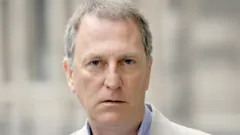
The news of Mark Doyle death has left a significant void in the world of international journalism following the passing of the veteran BBC Africa correspondent. The journalist, who was 67 years old, died after a short illness, leaving behind a legacy defined by his courageous coverage of some of Africa's most intense conflicts. This article examines his distinguished career, his impact on humanitarian interventions, and the tributes paid by his colleagues. His reporting from the frontlines of Rwanda and Sierra Leone remains a benchmark for excellence.
A career defined by frontline conflict reporting
Mark Doyle's journalism career was inextricably linked to the most transformative and tragic events in African history during the late 20th and early 21st centuries. Having lived on the continent before joining the BBC in 1986, he possessed a deep-rooted understanding of the regional complexities that informed his work. In 1993, he stepped into the role of East Africa correspondent, a position that would soon place him at the center of global attention.
His most significant early impact came during the 1994 Rwandan genocide. While many correspondents moved through the region, Doyle's commitment to the story was noted by his peers for its endurance. According to Fergal Keane, a prominent BBC correspondent, Doyle remained in Rwanda longer than almost any other journalist during that period. Keane remarked that those who witnessed the horrors of that era would understand the immense dedication Doyle showed to the pursuit of truth and the mission of the BBC.
The impact of reporting on Sierra Leone and Liberia
From 1997 to 2002, Doyle served as the West Africa correspondent, where his reporting transitioned from witnessing tragedy to influencing political action. His coverage of the brutal civil war in Sierra Leone and the subsequent aftermath of the conflict in Liberia became a benchmark for investigative war journalism. His work was not merely observational; it had tangible consequences for human lives on the ground.
The influence of his reporting was specifically highlighted by military leadership. Sir David Richards, who commanded the British forces tasked with addressing the Sierra Leone civil war in 2000, credited Doyle's journalism with shifting political tides. According to Sir David Richards, Doyle's reports were instrumental in convincing the UK government of the necessity for a robust intervention. This political shift, as noted by Richards, ultimately resulted in the saving of thousands of Sierra Leonean lives that were otherwise facing extreme risk.
Doyle's excellence in West African reporting was formally recognized by the international community in 2004. He was awarded the first prize in the UN Correspondents Association/UN Foundation Awards, specifically honoring his comprehensive coverage of the post-war landscape in Liberia.
Tributes to a legendary journalistic figure
Following the news of his passing, the journalistic community has rallied to honor Doyle's memory, describing him as a pillar of foreign correspondence. BBC foreign editor Paul Danahar characterized the late reporter as a "legendary figure" and praised his ability to combine bravery with empathy. This sentiment reflects a career spent in high-pressure environments where the human element was as important as the political facts.
Colleagues have frequently pointed to his professional integrity and his willingness to remain in dangerous zones to ensure the truth reached a global audience. His departure from the BBC in 2015 had already been marked by significant tributes from peers like Andrew Harding, who noted his profound contribution to the broadcaster. Doyle's legacy remains a testament to the power of dedicated field reporting in shaping international awareness of humanitarian crises.
Frequently Asked Questions
What were Mark Doyle's most notable reporting assignments?
Mark Doyle is best known for his extensive coverage of the Rwandan genocide in 1994 and the civil wars in Sierra Leone and Liberia between 1997 and 2002. His work in these regions was critical in bringing the realities of these conflicts to a global audience.
How did Mark Doyle's journalism affect political decisions?
His reporting had a direct impact on international policy, particularly in Sierra Leone. According to Sir David Richards, Doyle's accounts of the civil war helped persuade the UK government to launch a robust intervention, which reportedly saved thousands of lives during the conflict.
What awards did Mark Doyle receive for his work?
In 2004, Mark Doyle was honored with the first prize in the UN Correspondents Association/UN Foundation Awards. This prestigious recognition was granted in acknowledgment of his exceptional reporting regarding the period of post-war Liberia.