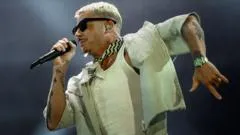
The American rapper, whose schedule has recently freed up, announced a new tour with proceeds destined for organisations supporting Palestinians after a high-profile dispute involving stadium owners and promoters. This sudden shift in his professional itinerary comes directly following his unexpected removal from Ed Sheeran's highly anticipated Loop Tour. By launching this specific series of performances, the artist aims to leverage his global platform to provide direct financial aid to humanitarian groups working on the ground in the region. He hopes the tour will spark significant awareness for the ongoing crisis.
What is the schedule for the Macklemore Free Palestine tour?
The Macklemore Free Palestine tour is set to launch in Europe this autumn, with several major cities already confirmed for the initial leg. The American artist, known professionally as Macklemore (real name Benjamin Haggerty), announced that the tour was organized rapidly in response to recent political and professional developments. He noted that while some details are still being finalised due to the speed of the rollout, the momentum behind the movement is driving the initiative forward.
Macklemore addressed the sudden nature of the announcement on Thursday, noting that his schedule had "freed up a bit" following the recent fallout. He emphasized that while the tour is coming together quickly, it represents a "moment of momentum" and a necessity for action.
Confirmed European and US Dates
The tour will officially commence in Dublin on 26 October. Following the Irish date, the artist is scheduled to perform in Paris on 29 October, with a London show following immediately on 30 October. Beyond these European dates, Macklemore has indicated that US dates will be added to the itinerary. Further ticket information and additional sales are expected to be released next week, providing fans with an opportunity to support the cause through live performances.
How did the controversy with Ed Sheeran begin?
The conflict originated during a performance in New Jersey in early September, where Macklemore used his platform as an opening act for Ed Sheeran to express political views. During the set, the 'Thrift Shop' rapper stated his desire to stand in large stadiums to advocate for the Palestinian cause, specifically using the phrase "Free Palestine." He followed this statement by performing a song dedicated to the pro-Palestinian protesters at Columbia University.
This onstage declaration led to immediate professional consequences. On 14 September, Macklemore was removed from the Loop Tour. The artist has since accused stadium owners of coordinating to force him off the stage, framing the incident as an attempt by the "billionaire class" to censor voices deemed too dangerous. He stated that what happened to him is "bigger than one artist or one stage," suggesting that when billionaires decide which voices are allowed, everyone should be paying attention.
What role did promoters and owners play in the dispute?
The decision to remove Macklemore from the tour was officially attributed to the promoter, Messina Touring Group, rather than Ed Sheeran himself. This distinction became a central point of contention as the fallout spread through the music industry. While Sheeran initially clarified that he was not the decision-maker, the situation created a ripple effect that impacted the entire Loop Tour production, leading to other support acts dropping out in solidarity and causing ticket prices for the tour to plummet.
The controversy was further complicated by accusations from high-profile figures. Robert Kraft, a billionaire stadium owner, accused the rapper of using antisemitic rhetoric and hate speech regarding the conflict in Israel and Gaza. These accusations stand in direct opposition to Macklemore's characterisation of his actions as a call for liberation. The clash between accusations of hate speech and assertions of political activism remains a primary driver of the ongoing debate surrounding the rapper's removal.
How has Ed Sheeran responded to the fallout?
Ed Sheeran has addressed the controversy directly, acknowledging that he made "mistakes" in how he managed the subsequent fallout from Macklemore's removal. The singer has expressed frustration over the situation, which saw his other support acts withdraw from the tour in solidarity with the rapper and led to a significant drop in ticket prices. Sheeran's response has attempted to navigate the intense political scrutiny while addressing the concerns of his disillusioned fanbase.
In a recent set in Philadelphia, Sheeran clarified his stance on the humanitarian crisis. While he described the Hamas-led attacks of 7 October 2023 as "horrific," he also characterised the situation in Gaza as "unjustifiable and disproportionate." By framing the conflict as a humanitarian issue, Sheeran attempted to navigate the intense political scrutiny while addressing the concerns of his fans.
What is the impact on the music industry and artist solidarity?
The Macklemore incident has triggered a significant movement of artist solidarity, with several support acts dropping out of the Loop Tour to protest the removal of the rapper. Macklemore has stated that he spent the week following the incident contacting other artists who have used their platforms to stand with the Palestinian people, regardless of the potential professional repercussions. He noted a "collective awakening around Palestinian liberation" and the power of those who attempt to censor that call.
The situation raises critical questions about the power dynamics within the live music industry. Macklemore argues that the ability of billionaires and stadium owners to decide which voices are permitted on stage represents a broader threat to freedom of expression. As artists increasingly use their platforms for political advocacy, the tension between commercial promoters and activist performers is likely to intensify, potentially reshaping how major tours are booked and managed.
Frequently asked questions
When does the Macklemore Free Palestine tour start?
The tour is scheduled to begin on 26 October in Dublin. This marks the start of a series of performances that include Paris on 29 October and London on 30 October, with US dates expected to be announced shortly.
Why was Macklemore removed from Ed Sheeran's tour?
Macklemore was removed from the Loop Tour following pro-Palestinian comments made during a concert in New Jersey. While the singer stated the decision was made by the promoter, Messina Touring Group, it followed accusations of hate speech from stadium owners.
Where will the tour proceeds be donated?
The proceeds from the Macklemore Free Palestine tour will be directed to organisations that provide support to Palestinians.
How did Ed Sheeran react to the controversy?
Ed Sheeran apologised to fans for his handling of the situation, admitting to mistakes during the fallout. He described the conflict in Gaza as a humanitarian issue, calling the 7 October attacks horrific while also noting that the situation in Gaza is disproportionate.
Will there be more tour dates announced?
Yes, Macklemore has confirmed that US dates will be added to the tour schedule. Additional tickets for the upcoming performances are expected to go on sale next week.
Key takeaways
- The Macklemore Free Palestine tour begins in Dublin on 26 October.
- Proceeds from the tour will support organisations aiding Palestinians.
- Messina Touring Group was identified as the entity that removed Macklemore from Sheeran's tour.
- Ed Sheeran described the Israel-Gaza conflict as a humanitarian issue.
- The controversy led several other support acts to withdraw from the Loop Tour.
Conclusion
The emergence of the Macklemore Free Palestine tour marks a significant moment of intersection between celebrity, political activism, and the commercial music industry. What began as a dispute over onstage comments in New Jersey has evolved into a broader debate regarding the power of promoters and stadium owners to regulate political discourse. As Macklemore moves from supporting roles to headlining his own cause-driven tour, the incident serves as a case study in the consequences of artist activism. The reaction from both Ed Sheeran and the wider touring community underscores the complex landscape artists must navigate when personal convictions clash with global corporate interests.