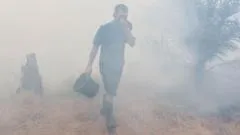
Raging wildfires in Indonesia have released toxic smog that has sickened approximately 175,000 people and degraded air quality across Southeast Asia. The thick haze is now drifting heavily into neighboring countries, creating a massive public health emergency for millions of residents living in the region.
Health impacts of the toxic haze
The ongoing wildfires raging in Indonesia have triggered a significant public health crisis. Since August, the toxic smog produced by these fires has caused approximately 175,000 people to suffer from respiratory illnesses. The nature of the smoke is described as toxic, directly impacting the health of large populations in the affected areas.
The scale of the medical impact highlights the severity of the environmental situation, as the smog continues to affect those living in the vicinity of the active fires. The sheer number of respiratory cases underscores the danger posed by the ongoing combustion and the direct threat to human health posed by the inhalation of the toxic particles.
Regional air quality degradation
The environmental impact of the wildfires is not contained within Indonesia. The resulting toxic haze has drifted across borders, leading to a decline in air quality throughout the broader region. Monitoring indicates that air quality in Indonesia, Malaysia, and Singapore has reached unhealthy levels as a result of the smog.
This transboundary pollution means that the health risks associated with the haze extend to multiple nations in Southeast Asia. Malaysia and Singapore are experiencing the same unhealthy atmospheric conditions caused by the Indonesian fires, as the haze moves through the region, creating a multi-national environmental challenge.
Government response and mitigation
In response to the escalating crisis, Indonesia is currently attempting to tackle the wildfires. As the fires continue to rage, authorities are working to manage the situation and address the spreading smoke. The efforts to mitigate the impact of the fires are central to addressing both the immediate health crisis and the regional air quality issues caused by the toxic haze.