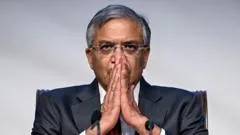
India's Election Commission is facing a major credibility crisis following allegations of internal mismanagement. The three-member body, led by Chief Election Commissioner Gyanesh Kumar, is under intense scrutiny. Reports suggest that commissioners Sukhbir Singh Sandhu and Vivek Joshi have repeatedly questioned the integrity of the voter database and the Special Intensive Revision process. This internal friction has triggered widespread demands for the CEC's resignation from various opposition leaders. This article examines the core of these internal disputes, the controversial voter roll revision, and the resulting political fallout currently impacting the nation's democratic institutions.
Why is the Election Commission facing allegations of internal misconduct?
Internal disagreements within the Election Commission of India (ECI) have surfaced following a report by the Indian Express, suggesting a breakdown in the commission's collective decision-making process. The report alleges that Chief Election Commissioner (CEC) Gyanesh Kumar has frequently bypassed his fellow commissioners, Sukhbir Singh Sandhu and Vivek Joshi, regarding critical electoral matters.
According to the report, there were at least 14 instances over the last 10 months where Commissioners Sandhu and Joshi were reportedly excluded from significant decisions. The friction centers on the integrity of the national voter database, changes to new voter enrollment protocols, and the overall security of the electoral rolls. The tension reached a level where the two commissioners reportedly sent a formal complaint to the chief secretary, the highest-ranking bureaucrat in the Indian government.
While the commissioners themselves have not issued public comments on the specific allegations, the ECI has attempted to frame the situation as a standard part of institutional governance. The commission stated that "differing views" are a fundamental component of the deliberation process and do not necessarily imply a lack of transparency or integrity.
The scale of internal friction
The revelation that the two commissioners were kept in the dark on multiple occasions has shifted the criticism from external political actors to the very heart of the institution. This internal dissent is particularly notable because the ECI is traditionally regarded as one of the most trusted public institutions in India's democratic framework. The fact that the dissent was documented through formal notes and letters to the chief secretary suggests a structured, rather than merely verbal, disagreement regarding the direction of the commission's leadership.
What is the Special Intensive Revision (SIR) and why is it controversial?
The Special Intensive Revision (SIR) is a comprehensive, country-wide effort by the Election Commission to update India's electoral database. The ECI maintains that this exercise is essential because the last major revision occurred nearly 25 years ago, necessitating an update to account for deceased citizens, individuals who have emigrated, or those who have relocated and are currently registered in multiple jurisdictions.
However, the SIR has become a lightning rod for political controversy. The revision process has resulted in the removal of approximately 130 million names from the voter rolls across India. This massive scale of deletion has prompted widespread complaints from citizens who claim their names have been erroneously struck off. Furthermore, many voters have reported that the new registration process introduced under the SIR is overly cumbersome, requiring documentation that many eligible citizens do not possess.
Opposition parties have leveraged these issues to claim that the SIR is being weaponized to manipulate the electorate. They argue that the revision is designed to disproportionately exclude voters who typically support opposition parties, thereby providing an unfair advantage to the ruling Bharatiya Janata Party (BJP). While both the ECI and the BJP have dismissed these claims as unfounded, the sheer volume of missing names continues to fuel skepticism regarding the robustness of the revision.
How have opposition leaders responded to the ECI allegations?
Opposition leaders in India have reacted with intense hostility to the reports of internal ECI dysfunction, with many calling for the immediate resignation or even the arrest of CEC Gyanesh Kumar. The accusations have moved beyond policy disagreements into the realm of constitutional integrity.
Rahul Gandhi, a senior leader of the Congress party, has been among the most vocal critics. He has accused the Commission and its officers of "treason," claiming that the manipulation of voter lists constitutes a direct attack on the Indian constitution. Gandhi characterized the alleged actions as "vote chori" (vote theft) and suggested that the ECI is working in tandem with the BJP and the RSS to undermine the democratic process.
In West Bengal, Mamata Banerjee, leader of the All India Trinamool Congress, has demanded fresh elections based on the pre-SIR voter lists. Banerjee highlighted that approximately 2.7 million voters were removed in West Bengal during the revision process, a move she claims directly resulted in her party losing dozens of seats and the state election to the BJP. The political pressure is further mounting from newer political entities, such as the Cockroach Janta Party (CJP), which has vowed to protest against what they term the "hijacking of India's democracy."
What is the defense provided by the ECI and the BJP?
The Election Commission of India has issued a formal statement to defend its operational integrity and the legitimacy of the SIR. The commission argues that the focus on internal disagreements ignores the broader context of its recent achievements and reforms.
The ECI's defense rests on several key points:
- Institutional Normality: The commission asserts that differing observations are a normal part of the deliberation process and that all commissioners are authorized to offer suggestions for improvement.
- Reform Initiatives: The ECI claims to have introduced approximately 40 new initiatives and electoral reforms in recent months, many of which were passed through unanimous decisions.
- Incomplete Narrative: The commission suggested that highlighting specific internal notes from a 10-month period provides a skewed perspective that overlooks a much larger body of collaborative decisions.
The ruling Bharatiya Janata Party has also stepped in to support the CEC. BJP spokesperson Sambit Patra dismissed the opposition's outcry as a "smear campaign," arguing that the criticism stems from the opposition's inability to win elections. The BJP maintains that internal dissent within any institution is actually a sign of a "vibrant democracy" rather than a sign of institutional failure.
What do analysts say about the future of the ECI's credibility?
Political analysts suggest that the defense offered by the Election Commission may be insufficient to restore public confidence. The core of the issue is not merely whether the SIR is necessary, but whether the leadership of the ECI is acting with the impartiality required of a constitutional body.
Critics and analysts point out that the ECI's official statement failed to directly address the specific allegation that the CEC bypassed his colleagues on 14 separate occasions. Without a transparent explanation regarding these specific instances of exclusion, the commission may struggle to convince the public of its independence. Former Chief Election Commissioner SY Quraishi noted that while the internal protests by Commissioners Sandhu and Joshi are a positive sign of institutional checks, the underlying controversy regarding the SIR remains unresolved.
As opposition parties prepare for protests and legal challenges, the ECI faces a period of heightened scrutiny. The outcome of this crisis will likely depend on whether the commission can demonstrate that the SIR is a purely administrative necessity rather than a political tool.
Frequently asked questions
Who are the current members of India's Election Commission?
The three-member commission is headed by the Chief Election Commissioner (CEC) Gyanesh Kumar. He is supported by two commissioners, Sukhbir Singh Sandhu and Vivek Joshi. These members are responsible for overseeing the conduct of elections and maintaining the integrity of the national electoral database.
What is the purpose of the Special Intensive Revision (SIR)?
The SIR is a nationwide project intended to update India's electoral rolls. The Election Commission states the goal is to remove ineligible names—such as those of deceased or relocated individuals—to ensure the voter list is accurate, noting that a major revision has not been conducted in nearly 25 years.
Why is the SIR being criticized by opposition parties?
Opposition parties claim the SIR is being used to manipulate the voter database to favor the ruling BJP. They argue the process has led to the removal of 130 million names and that the new registration requirements are intentionally difficult, potentially excluding certain demographics of voters.
What are the specific allegations against CEC Gyanesh Kumar?
Allegations against CEC Kumar involve claims that he has operated without the full knowledge or consent of his fellow commissioners. Reports suggest he made at least 14 decisions over 10 months regarding the voter database and enrollment processes without consulting Commissioners Sandhu and Joshi.
How has the ECI responded to the claims of internal conflict?
The ECI has stated that "differing views" are a standard part of the institutional decision-making process. They argue that the reports focus on isolated internal notes while ignoring a broader history of unanimous decisions and approximately 40 new electoral reform initiatives introduced recently.
Key takeaways
- The ECI faces a credibility crisis following reports of internal disputes involving CEC Gyanesh Kumar.
- Commissioners Sandhu and Joshi reportedly objected to being excluded from 14 decisions over 10 months.
- The Special Intensive Revision (SIR) has resulted in the removal of 130 million names from voter rolls.
- Opposition leaders, including Rahul Gandhi and Mamata Banerjee, have demanded the CEC's resignation.
- The ECI defends the controversy as a normal part of the institutional deliberation process.
Conclusion
The controversy surrounding India's Election Commission represents a significant challenge to the perceived impartiality of the nation's democratic processes. While the ECI maintains that the Special Intensive Revision is a necessary administrative update and that internal dissent is a natural part of governance, the scale of voter deletions and the reported exclusion of commissioners have fueled deep skepticism. As opposition parties demand accountability and potential resignations, the commission must navigate a delicate path to prove that its leadership remains independent of political influence and that its electoral reforms serve the entire citizenry rather than a specific political interest.