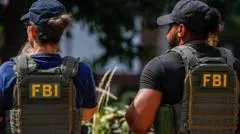
Cyber-criminals have claimed to have successfully breached sensitive FBI systems, exposing highly confidential 'fitness-for-work' medical examinations. This massive data breach reportedly includes personal identifiers for tens of thousands of federal agents. The stolen information is said to contain critical details that could compromise individual privacy and national security protocols. As the investigation continues, authorities are working to determine the full extent of the exposure. This incident highlights the growing vulnerability of high-level government databases to sophisticated hacking groups like ShinyHunters, who specialize in large-scale data theft and extortion.
What information was included in the FBI medical data hack?
The stolen data consists of highly sensitive "fitness-for-work" medical examination records and personal identifying information. According to BBC News, samples of the leaked data contain specific medical details such as blood and urine test results, as well as physician notes documenting conditions like high cholesterol or allergies to substances like shellfish and bananas.
Beyond purely medical data, the breach encompasses a wide array of personal identifiers that could facilitate identity theft. The leaked samples include:
- Full names and residential addresses
- Phone numbers and badge numbers
- Job titles and information regarding spouses
- References to specific medical concerns, such as blood in the urine
The depth of this information is significant because it maps individual agents directly to their physiological profiles. This level of detail moves the breach beyond simple identity theft into the realm of personal vulnerability. The records are not limited to low-level staff; they appear to include senior officials, such as deputy directors.
Who is responsible for the breach and what are their demands?
The international hacking collective known as ShinyHunters has claimed responsibility for the intrusion. This group, which has been active since 2019 and has previously targeted entities like Rockstar Games and the education platform Canvas, communicated its involvement via Telegram and darknet sites. Unlike many cyber-criminal organizations, ShinyHunters is not initially seeking a monetary ransom.
Instead, the group has issued an extortion demand based on a non-financial motive. They are seeking a formal retraction of an FBI advisory published in May, which the hackers claim was "offended" them. The group has threatened to release the entire dataset in five days if their demands are not met.
The profile of ShinyHunters
ShinyHunters is a well-known entity in the cyber-criminal landscape, recognized for high-profile breaches. Their involvement in this incident suggests a sophisticated level of capability, as they claim to have navigated complex systems to extract diverse datasets. The group communicates with reporters in English via the messaging service Telegram, providing a direct line of contact regarding their extortion efforts.
How did the hackers gain access to FBI systems?
The attackers reportedly exploited a vulnerability within an Oracle cloud storage system utilized by the FBI. By targeting this infrastructure, the group allegedly gained access to several critical platforms used for personnel management and investigations.
The breached platforms reportedly include:
- FBIJobs: Used for employment-related functions.
- FBI BEAST: A system handling background checks for applicants and employees.
- FBI MedLink: The repository for medical records.
- FBI BICS: A platform containing investigative information.
The FBI has stated it is investigating whether the breach occurred through a direct hit on its own systems or via a compromised third-party provider. The agency is currently working with those third-party providers that support FBIJobs.gov to mitigate any and all risk.
What is the impact on national security and agent safety?
The breach represents a massive security risk because it exposes agents involved in high-stakes international investigations. Reuters reports that the stolen data includes information on personnel involved in cases relating to drug cartels, China, and Russia. Additionally, reporting from 404 Media suggests that details of a previously little-known FBI hacking unit may also have been exposed.
Experts suggest the implications extend far beyond administrative concerns. The exposure of medical data creates several specific vectors for attack:
- Blackmail: Sensitive health conditions can be used to coerce agents.
- Targeted Phishing: Detailed personal knowledge allows for highly convincing social engineering attacks.
- Impersonation: Access to badge numbers and job titles enables criminals to pose as law enforcement officers.
- Identity Fraud: The combination of addresses, names, and medical history provides a complete profile for long-term identity theft.
Etay Maor, vice-president of threat intelligence at Cato Networks, noted that while passwords can be changed, medical records are permanent. Once this data is compromised, the individuals affected remain vulnerable for the rest of their lives. "The list maps thousands of agents against their medical and fitness records," Maor said, emphasizing that this permanence, applied across an entire workforce, is what makes the leak so serious.
The scale of the exposure
While initial estimates suggested the breach might affect the FBI's 38,000 current employees, the hackers now claim the scope is much larger. They assert that they hold sensitive information on approximately 60,000 current and former staff members, significantly increasing the potential damage.
How do experts view the severity of this breach?
Cybersecurity professionals have characterized the incident as a top-tier security crisis. Professor Ciaran Martin, the former head of the UK's National Cyber Security Centre, described the hack as being "as serious as it gets when it comes to data breaches" if confirmed.
The complexity of the data—mixing investigative intelligence with personal health records—makes this more than a standard data leak. Jamie Akhtar, CEO and co-founder of CyberSmart, warned that the potential for operations specifically targeting law-enforcement personnel makes the implications particularly serious. While Akhtar advised that the hackers' claims should be treated with caution, the confirmed samples suggest a profound compromise of agent privacy and operational security.
Frequently asked questions
What specific medical data was stolen?
The stolen records include "fitness-for-work" examination results. This encompasses blood and urine test data, physician notes regarding specific medical conditions like high cholesterol, and even minor details such as food allergies. This information is highly personal and permanent.
How many people are affected by the FBI hack?
While initial reports suggested 38,000 employees might be affected, the hacking group ShinyHunters claims the number is closer to 60,000. This figure includes both current and former FBI staff members across various levels of seniority.
What is the motive of the ShinyHunters group?
Unlike most hackers who demand cryptocurrency, ShinyHunters is currently demanding a retraction of an FBI advisory from May. They claim the advisory was offensive. They have threatened to release the full dataset if this demand is not met.
Can the FBI recover from this data breach?
While the FBI can secure its systems and change passwords, the medical data itself cannot be "reset." Once sensitive health information and personal identifiers are leaked, the affected individuals face a permanent risk of blackmail and identity theft.
Which systems were compromised in the attack?
The hackers claim to have accessed multiple platforms via an Oracle cloud vulnerability. These include FBIJobs, FBI BEAST (background checks), FBI MedLink (medical records), and FBI BICS (investigative information), representing a broad cross-section of agency data.
Key takeaways
- ShinyHunters claims to have stolen records for 60,000 current and former FBI staff.
- Stolen data includes sensitive medical results, such as blood and urine tests.
- The hackers are demanding a retraction of an FBI advisory rather than money.
- The breach exposes agents working on sensitive cases involving Russia and China.
- Medical data theft is considered permanent and poses lifelong blackmail risks.
Conclusion
The alleged FBI medical data hack represents a profound intersection of cybersecurity failure and national security risk. By targeting the physiological and personal details of law enforcement personnel, the ShinyHunters collective has moved beyond traditional data theft into a realm that threatens the personal safety and operational integrity of federal agents. The permanence of medical data ensures that the consequences of this breach will persist long after the immediate crisis subsides. As the FBI continues its investigation into the Oracle cloud vulnerability, the incident serves as a stark reminder of the vulnerabilities inherent in third-party cloud infrastructures.