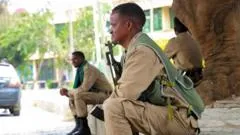
Ethiopia fighting has escalated sharply as the federal army and Tigrayan forces engage in fresh hostilities across northern regions. The Ethiopian military claims to have repelled attacks in the Amhara region near the Tigray border, reporting heavy casualties and the seizure of weapons. This outbreak follows the Tigray People's Liberation Front (TPLF) seizing control of three airports from federal police on Wednesday. The escalation follows months of tension after the 2020-2022 war, which resulted in an estimated 600,000 deaths. This article examines the current military movements, the humanitarian impact, and the political breakdown between the TPLF and Prime Minister Abiy Ahmed's government.
What is the current status of the military clashes?
The Ethiopian national army reports that it has successfully repelled recent attacks launched by Tigrayan forces and their allies in northern territories. According to the army, the hostilities initiated in the Amhara region, specifically in areas adjacent to the Tigray border. Military officials stated that their troops inflicted significant casualties on opposing forces and managed to capture various weapon systems during the engagement.
While the federal government has issued this statement, the Tigray People's Liberation Front (TPLF) has not yet provided a formal comment regarding these specific military claims. It remains difficult to independently verify the extent of the casualties or the exact territorial shifts, as international media access to Tigray and the surrounding conflict zones is currently restricted. However, unconfirmed reports suggest that the scope of the fighting is widening beyond the immediate border areas.
Expanding conflict zones in Afar and Amhara
Reports indicate that the violence is not contained solely to the Amhara-Tigray border. In the Afar region, humanitarian sources have provided accounts of heavy artillery usage. According to a source in Afar speaking to AFP, Tigrayan forces utilized heavy artillery during attempts to secure the town of Yallo, located near the regional border. This suggests a multi-front engagement that could potentially destabilize several northern administrative zones simultaneously.
How did the TPLF seize control of strategic infrastructure?
The Tigray People's Liberation Front successfully took control of three airports from federal police units on Wednesday. This move represents a significant shift in the control of regional logistics and transport hubs. Following these developments, Ethiopian Airlines has taken the preventative measure of cancelling all scheduled flights to the Tigray region to ensure passenger safety amidst the rising instability.
In the city of Mekelle, residents reported that local forces assumed control of the city's airport from national police early on Wednesday morning. This takeover occurred in the wake of recent reports regarding drone strikes within Tigray. While the seizure of these airports marks a major tactical shift, the nature of the fighting in urban centers remains a point of contention between official reports and local accounts.
What is the impact on civilians in Mekelle and Tigray?
Civilians in Mekelle describe a state of heavy psychological stress and economic paralysis despite a lack of direct urban combat. While some residents noted that Mekelle has remained relatively calm compared to the intense urban warfare seen during the 2020-2022 conflict, the atmosphere is described as being under a de facto curfew. Residents are limiting their movements as the threat of renewed large-scale violence looms.
The economic situation has reached a critical point, with a severe shortage of physical currency affecting daily survival. According to a resident identified as Fitsum, the government has reportedly withheld budgets from civil servants for several months, leading to a depletion of cash reserves in local banks. While mobile banking has served as a temporary workaround, there is significant fear that a disruption in communication networks would leave the population in grave danger due to the total absence of cash.
The humanitarian risk of communication blackouts
The reliance on digital financial systems creates a unique vulnerability in the current conflict. If the federal government or combatants decide to cut off internet or cellular services—a tactic seen in previous Ethiopian conflicts—the ability of residents to purchase food or medicine would vanish instantly. This intersection of economic mismanagement and military escalation places the civilian population at an extreme risk of sudden, acute deprivation.
Why have tensions between the government and TPLF escalated?
The current breakdown in relations stems from the perceived violation of the peace agreement that ended the devastating war between 2020 and 2022. Although an African Union-brokered deal brought a temporary end to the bloodshed, both Prime Minister Abiy Ahmed's administration and the Tigrayan authorities have spent recent months accusing one another of failing to uphold the terms of the settlement.
The political landscape shifted significantly on Sunday when the TPLF announced a new alliance with six other armed groups. This coalition aims to oust the current federal government, signaling a move from regional political disputes to a broader challenge against the central authority in Addis Ababa. This political realignment provides the framework for the renewed military hostilities currently unfolding.
What was the scale of the previous conflict?
The previous war, which lasted from 2020 to 2022, remains one of the deadliest conflicts of the 21st century. According to estimates provided by the African Union's mediator, the fighting resulted in approximately 600,000 deaths. Beyond the loss of life, the conflict pushed the entire region to the brink of widespread famine, leaving a legacy of trauma and instability that continues to influence the current political climate.
Frequently asked questions
Has the TPLF officially responded to the army's claims?
As of the latest reports, the TPLF has not issued an official response to the Ethiopian army's claims regarding repelled attacks and heavy casualties. The situation remains fluid, with both sides maintaining different narratives regarding the progress of the military engagements in the north.
Are flights still operating in the Tigray region?
No, Ethiopian Airlines has cancelled all flights to Tigray following the TPLF's seizure of three airports. This decision was made to ensure the safety of travelers as the security situation in the northern regions deteriorated rapidly following the outbreak of hostilities.
Is there active fighting inside the city of Mekelle?
Local residents report that while there is intense stress and a sense of a curfew, there have been no major clashes within Mekelle itself. Most of the reported combat is occurring in the surrounding regions, such as Amhara and Afar, rather than in the city center.
What is the primary economic problem for residents?
The most pressing economic issue is a critical shortage of cash. Residents report that banks are running low on currency and civil servants have not been paid for months, leaving the population heavily dependent on mobile banking, which is vulnerable to communication cuts.
What is the significance of the new TPLF alliance?
The TPLF has formed an alliance with six other armed groups specifically to challenge and oust the federal government. This alliance transforms a regional dispute into a broader organized movement against Prime Minister Abiy Ahmed's administration, increasing the scale of the potential conflict.
Key takeaways
- The Ethiopian army claims to have repelled TPLF attacks in the Amhara region.
- The TPLF has seized control of three key airports from federal police.
- Ethiopian Airlines has suspended all flights to the Tigray region.
- The previous war (2020-2022) resulted in an estimated 600,000 deaths.
- Severe cash shortages and budget denials are impacting Tigrayan civilians.
Conclusion
The resurgence of fighting in northern Ethiopia marks a dangerous pivot from the fragile peace established by the African Union. With the TPLF forming a broad alliance of armed groups and the federal army engaging in active combat in the Amhara and Afar regions, the risk of a full-scale civil war is high. The combination of military escalation, the seizure of strategic infrastructure, and a deepening economic crisis for civilians suggests that the region is entering a period of extreme instability. The outcome of these clashes will likely determine the future political structure of Ethiopia and the safety of its northern populations.