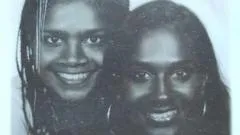
Meena Geltink and Minal Tijssen, both adopted as babies from different Mumbai orphanages in the early 1980s and raised by separate Dutch families near each other in the Netherlands, have confirmed through DNA testing that they are full biological sisters.
How two adopted girls formed an immediate bond in the Netherlands
Meena Geltink and Minal Tijssen were placed for adoption from different orphanages in Mumbai within months of each other. Dutch couples separately adopted each infant and settled near one another in the Netherlands. In their early teens the girls attended a gathering organised by the adoption agency their parents had used. Friends at the event pointed out physical similarities, including matching nose shape and laughter, prompting the pair to exchange contact details. They began writing letters that continued for years, often signing them with references to sisterhood despite having no information about shared biology. Both enjoyed the same music and sports, and they discussed school and social life. Contact ended around 15 years ago when Minal moved to France and Meena focused on raising her first child. Meena, now 43, recalls that all the adopted children were brought together to hang out, bond and have dinner. Friends said look at yourselves in the mirror. She said oh my god she has my nose we have the same laugh. At dinner she kept looking at her the whole time. The following day they exchanged telephone numbers and addresses and promised to keep in touch. Even without any indication they were related by blood their connection was instant. For years they wrote letters often addressing each other as sis because we felt that way. They wrote about school friends boys going out and dancing. They told each other about the sports they played and discussed music discovering they both loved Backstreet Boys.
The DNA test that ended 15 years of lost contact
In 2017 Meena submitted a DNA sample after hearing about testing services at another adoptee meeting. No close matches appeared at the time and she later removed the application from her phone because storage was full. Minal submitted her own sample in April while visiting her parents in the Netherlands. On 20 May she sent Meena a Facebook message containing a screenshot of the results. Meena reinstalled the application entering the wrong password ten times in her nervousness and logged in to find a 100 percent match indicating they shared both biological parents. The result aligned with long-standing observations about appearance and behaviour that had never been explained by any known family connection. Meena described the moment as an adrenaline shot that brought tears and confirmed the intuition she and Minal had carried since adolescence. Minal had initially not realised the match was the same teenage girl from thirty years earlier until she checked photos on social media and saw the label Meena Sister. Meena says it was like I had an adrenalin shot. I cried. Minal was my missing puzzle piece I had waited so long for. We had called each other sister. This DNA match was the confirmation that all our intuition was right. The result could not have been clearer the two women were a 100 percent match. I had a full sister which means we shared the same biological mother and father Meena explains.
Reunion after the match and reactions from family members
The two women met again in August on a clear sunny day. They described the gathering as a homecoming that included hugs tears and laughter followed by their first joint photograph as reported by Reuters. Each has since introduced the other to spouses children brothers and surviving parents. Observers note that the sisters finish each others sentences and display similar gestures and walking patterns. Meenas mother who continues to live in the same village remains in daily contact with her daughter and was one of the loving people who taught at the local private school. Minal lives in France with her partner and two sons. Both women have spoken about a sense of completion after years of feeling an unexplained absence in their hearts. Meena now 43 and mother to three children said the meeting felt like everything was supposed to be. Minal 44 said they were sisters the whole time but did not know it. On a fine sunny day in August the old friends met for the first time since discovering they were sisters. It was amazing. It felt like homecoming Meena says. For years Minal and I had felt a big hole in our hearts. We feel like we have been completed. Everything now feels like it is supposed to be. Reporting on their emotional reunion Reuters said tears hugs and laughter punctuated their meeting followed by their first selfie together. Minal told the agency that when her DNA results came in April she had initially not realised her match was the same teenage girl who had clung to her when they first met 30 years ago. It only sank in when she looked at her photos on social media. Meena Sister. I could not believe it. We were friends before we were sisters. We were sisters the whole time but we did not know.
Adoption records and the search for biological origins
Meena travelled to Mumbai in 2003 with her adoptive parents and brother who had been adopted from Goa. They spent two weeks reviewing orphanage files but received no details about her birth parents because the orphanage would not reveal any information. Minal had not pursued similar records before the DNA result. The match now supplies the first confirmed link to shared parentage. The women have expressed interest in visiting Mumbai together to see the city where their lives began though no travel date has been set and the source leaves open whether such a trip will occur. Meena grew up in a small village where her parents taught at a private school and described them as very loving and trusting people. Her father died a few years ago but her mother continues to live in the same village. We talk every day. She is still my safe space she adds. In 2003 aged 19 Meena had visited the orphanage in Mumbai with her parents and her brother who was adopted from Goa. They spent two weeks looking through records trying to find out about Meenas biological parents because for me it was important to know where I came from. But the orphanage would not reveal any details about them she says. Meena says she grew up in a small village in the Netherlands by parents who taught at a private school. They were also my teachers. They were very loving people very trusting.
Daily conversations and the process of integrating new family ties
Since May the sisters have spoken every other day. They report losing track of time during calls and having to interrupt conversations to handle routine tasks such as grocery shopping or school pick-ups. Both describe periods of loneliness in earlier years that might have been eased by knowing of each others presence including times when Meena lost her adoptive father or experienced heartbreak. The confirmation has prompted reflection on past events without altering existing relationships with adoptive relatives. The fact of their sibling status continues to register gradually as they meet each others families and notice shared mannerisms. They regret not being able to share happiness or help each other during tough times before the match. Since May Meena and Minal have been speaking every other day. They have met each others spouses children brothers and parents. Everyone notices how we finish each others sentences how we move our heads or walk similar Meena says. The fact they are siblings is still sinking in she says. Sometimes we talk for two hours and lose track of time suddenly remembering that we have to do groceries or pick up children from school. One thing she and her sister would love to do Meena says is return to the place where it all began. We would love to go to India together sometime to walk through the streets of Mumbai together. There were times when we both felt very lonely like when I lost my dad or went through a heartbreak she says. I regret we could not be with each other we could have shared happiness helped each other in tough times.
Frequently asked questions
How did the women first meet?
They attended an adoptee gathering organised by the agency their Dutch parents had used. Friends noticed physical similarities and encouraged them to compare reflections.
What did the DNA test show?
The result indicated a full-sibling match meaning they share both biological parents. The finding came after Minal uploaded results in April and contacted Meena the following month.
Where do the sisters live now?
Meena remains in the Netherlands village where she grew up. Minal lives in France with her partner and two sons.
Did either woman visit India before the match?
Meena travelled to Mumbai in 2003 with her adoptive family to review orphanage records but obtained no information about her birth parents.
Do they plan to travel together?
Both have stated they would like to visit Mumbai streets together at some point though no specific plans have been announced.
Key takeaways
Meena Geltink and Minal Tijssen were adopted from separate Mumbai orphanages in the early 1980s and raised by different Dutch families. The pair met at an adoptee event as teenagers and maintained a close friendship for years. A DNA test confirmed they share both biological parents. They reconnected in May and met in August describing the gathering as a homecoming. Both women continue to live in Europe and speak regularly while introducing each other to their families.
Outlook for the sisters
The confirmation supplies a documented link that matches observations the women had made since adolescence. They have begun integrating the new relationship into existing family structures without displacing adoptive ties. Future contact is expected to include continued conversations and a possible joint visit to India. The case illustrates how consumer DNA testing can resolve questions of origin for international adoptees when official records remain limited.