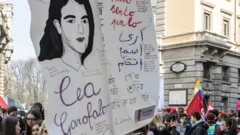
Denise Cosco, who testified against her father in the 2009 murder of her mother Lea Garofalo by the ’Ndrangheta, was found critically injured on Sunday and died later in hospital in Rome. She was 35, the same age her mother was when she was killed. Prosecutors have opened an investigation into possible incitement to suicide.
Who was Denise Cosco and what happened to her?
Denise Cosco was the daughter of Lea Garofalo, a woman who became a symbol of resistance to the ’Ndrangheta after turning state witness against the Calabrian mafia clan. Cosco herself later gave evidence at her father’s trial. She was found injured on Sunday and died in hospital in Rome. Authorities have not confirmed the cause of death but are treating it as suspected suicide while investigating whether anyone encouraged the act. Those close to her recall both her bravery in speaking out and the tremendous struggle that followed in the years after the trial. At 35 she died at the same age her mother was when murdered. Enza Rando, a senator and anti-mafia lawyer who represented Cosco at the murder trial, described her death as a profound wound for the entire country and proof that the mafia not only kills but creates true monsters in the lives and souls of those who survive. Friends and supporters were due to gather in Milan on Friday evening to remember her near the spot where her mother was abducted. Luigi Ciotti, president of Libera, wrote that Denise’s entire life revolved between the two extremes of courage and suffering, calling that a difficult balance. Today something in that fragile equilibrium was broken forever.
What was the 2009 murder of Lea Garofalo?
Lea Garofalo was lured to a meeting by her former partner Carlo Cosco in 2009. She was strangled, her body dismembered and incinerated. Fragments of bone and a necklace were later recovered and identified by her daughter. Carlo Cosco and three accomplices were convicted and are serving life sentences. The case drew national attention because Garofalo had broken with the mafia and entered witness protection. A statement by one of the killers finally allowed police to recover remains years later. At a public funeral in 2013 Cosco spoke of her mother’s courage in putting herself on the line for justice for all. Her father and accomplices were already serving life in prison by then. The recovery of bone fragments and the necklace provided key evidence that confirmed the details of the killing after years of uncertainty. Cosco had always refused to believe her father’s story that her mother had abandoned her to start a new life in Australia. The murder became a powerful symbol of resistance to the ’Ndrangheta clan in southern Italy.
Why did Denise Cosco decide to testify?
Cosco told the court she wanted inner freedom to start over. She described herself as a proud witness for justice and spoke from behind a screen during the trial. She had always rejected her father’s claim that her mother had abandoned her to move to Australia. After the trial she lived under state protection with a changed identity. At the public funeral she spoke of her mother’s courage. Friends and supporters recall her bravery in speaking out at her father’s trial yet also the tremendous struggle in the years that followed. She had refused to believe the story that her mother had started a new life elsewhere. Cosco identified the necklace recovered with the bone fragments, providing personal confirmation of her mother’s fate. Her testimony helped secure the life sentences already being served by her father and three accomplices. The choice to speak from behind a screen reflected the ongoing risks she faced even after entering protection.
What support challenges do mafia witnesses face?
Anti-mafia campaigners say people who leave organised crime often need long-term help, not just short-term protection. Francesca Rispoli of Libera told the BBC that family ties remain difficult to break even after a person changes name and location. She noted that both sides of Cosco’s family had mafia connections and that she had reconnected with her father in prison in recent years, feeling a hole in her life. Friends say she struggled with mental health problems and addiction. Rispoli argued that those trying to lead another life need more support, not just for one year but perhaps their whole life. The mafia is not just something physical. You can leave. You can change your name. But there is still a tie, a family tie, that stays deep inside and is impossible to overcome. Organised crime groups in Italy, especially the ’Ndrangheta, involve close-knit family networks. In Cosco’s case both her mother’s family and her father were tied to the mafia. Cosco lived under state protection with a new name and identity for many years, yet remained extremely vulnerable according to campaigners.
What happens next in the investigation?
Prosecutors have seized Cosco’s phone and are examining whether any incitement to suicide occurred. Friends and supporters planned a gathering in Milan on Friday evening near the site where Garofalo was abducted. The case has renewed debate about the long-term psychological effects on children of mafia witnesses. Enza Rando described the death as a profound wound for the entire country and proof that the mafia creates true monsters in the lives and souls of survivors. Luigi Ciotti, president of Libera, wrote that Denise’s entire life revolved between the two extremes of courage and suffering, calling that a difficult balance. Today something in that fragile equilibrium was broken forever. The investigation will examine whether external factors contributed to the death while friends highlight the need for sustained support beyond initial protection programmes.
Frequently asked questions
Was Denise Cosco’s death confirmed as suicide?
Authorities describe the death as suspected suicide but have opened a formal investigation into possible incitement. No final determination has been published.
Did Denise Cosco live under witness protection?
Yes. Like her mother, she received state protection and a new identity for many years after the trial.
Who was Lea Garofalo?
Lea Garofalo was murdered in 2009 after agreeing to testify against the ’Ndrangheta. Her case became a prominent example of the risks faced by mafia turncoats.
Are other mafia witnesses at similar risk?
Campaigners say many witnesses experience lasting mental-health difficulties and isolation. They argue that support programmes should extend beyond the immediate trial period.
What organisations offer help in such cases?
In Italy, groups such as Libera provide support to people leaving organised crime. International helplines for mental health and suicide prevention are listed on the BBC Action Line page.
Key takeaways
- Denise Cosco testified against her father in the murder of her mother Lea Garofalo by the ’Ndrangheta.
- She lived under witness protection with a new identity after the trial.
- She died aged 35, the same age her mother was at the time of her murder.
- Prosecutors are investigating possible incitement to suicide.
- Anti-mafia groups say witnesses need longer-term psychological and social support.
Perspective
The death of Denise Cosco has prompted fresh discussion in Italy about the hidden costs borne by families who break with organised crime. While her mother’s courage was publicly honoured, the daughter’s later years were marked by isolation and mental-health struggles that state protection alone could not resolve. The ongoing investigation will determine whether external pressure played any role in her death. Luigi Ciotti of Libera wrote that Denise’s entire life revolved between the two extremes of courage and suffering, and that today something in that fragile equilibrium was broken forever. If you or someone you know are affected by the issues raised in this story, the BBC Action Line has information on organisations that can offer advice and support.