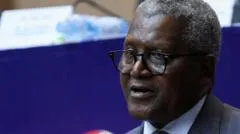
Nigerian billionaire Aliko Dangote has launched Africa's largest share sale, offering roughly 3% of his oil refinery to the public in a deal that could raise up to $2.1bn. The initial public offering runs for one month with a minimum purchase of 10 shares at about $4 each. The refinery, which began production in 2024, supplies more than 70% of Nigeria's energy needs. This article examines the offering details, investor considerations, and the plant's role in the national economy.
What does the Dangote refinery IPO involve?
The offering covers approximately 3% of the refinery and is structured to allow ordinary Nigerians to participate. The target raise reaches $2.1bn, making it the largest share sale on the continent. Shares become available through listed institutions only, with the sale period set at one month. The minimum entry point stands at 10 shares for roughly $4, lowering the barrier for retail participants. The structure directly ties everyday investors to the facility that started production in 2024 and already meets a large share of national demand. By limiting the sale to 3% the owner keeps majority control while distributing some ownership widely. The one-month window gives time for broad participation across income levels without rushing decisions. Official channels alone handle purchases, which keeps the process transparent and documented. The IPO therefore spreads ownership without ceding overall direction of the asset that now processes hundreds of thousands of barrels daily. Many Nigerians have expressed excitement at the prospect of owning a part of the refinery that supplies more than 70% of the country's energy consumption. The public sale allows retail investors to connect directly with an industrial project that took more than a decade to complete and ranks among the world's largest facilities. This approach marks a deliberate choice to include everyday citizens in the economic benefits of the plant rather than restricting ownership to large institutions.
Why is the refinery significant for Nigeria?
Construction of the facility in the Lekki Free Zone near Lagos required more than a decade. The project moved 65 million cubic metres of sand for land reclamation. With a daily processing capacity of 650,000 barrels, the refinery ranks as the seventh-largest in the world. It now meets over 70% of domestic fuel demand, reducing reliance on imports that previously dominated supply despite Nigeria being Africa's top oil producer. The decade-long build addressed a long-standing gap in local refining capacity. Land reclamation on that scale prepared the site for an installation capable of processing hundreds of thousands of barrels daily. That capacity now covers the majority of the country's energy consumption, shifting the balance away from imported fuel. The ranking among global refineries underscores the project's size relative to other facilities worldwide. Until this plant opened, Nigeria exported crude yet imported most of its refined products, a situation the new capacity directly alters. The refinery was first announced in 2013 with an initial estimated cost of around $19bn, though construction did not begin until 2017 and faced further delays from the Covid-19 pandemic. These milestones illustrate how the project overcame successive obstacles to reach operational status and begin supplying the majority of national fuel needs.
Who is participating and what are the risks?
Retail investors have shown interest. One participant withdrew 50,000 naira from savings to purchase shares, expressing hope that the holding will grow over time. Economy expert Dr Abdulrazak Ibrahim Fagge described the launch as historic yet cautioned that share prices can decline. He advised limiting exposure to funds that can remain invested for three to five years and avoiding any money needed for short-term needs. The expert stressed that first-time buyers in particular should treat the purchase as capital committed for several years. Price movements remain possible, so only money not required soon should be used. The advice aims to protect participants from liquidity pressure if values move lower after purchase. The same expert noted that the event marks a notable moment for the market while underlining the need for realistic expectations about possible price changes. The source leaves unsettled exactly how widely retail participation will spread or how long any initial enthusiasm will last once trading begins.
Protecting against fraud
Dr Fagge also highlighted the presence of scammers targeting individuals unfamiliar with the process. Purchases should occur only through the institutions officially listed for the offering. This step reduces exposure to fraudulent schemes that may emerge during high-profile sales. Using only approved institutions ensures every transaction follows regulated procedures and leaves a clear record. Investors are therefore encouraged to verify any contact against the official list before committing funds. The warning addresses a practical risk that accompanies any widely publicised share sale in markets where awareness of formal channels varies.
What is Aliko Dangote's background?
Aliko Dangote, aged 67 and born in Kano, holds an estimated net worth of $28bn according to Forbes. His wealth originated in cement and sugar production in Nigeria before expansion into 16 additional African countries. Dangote Cement remains the continent's largest producer. The refinery project was first announced in 2013 with an initial cost estimate near $19bn; actual construction started in 2017 and faced delays from the Covid-19 pandemic. The timeline shows steady commitment from announcement through to the start of production in 2024 despite external setbacks. The progression from initial plan to operational status illustrates the scale of the undertaking and the persistence required to bring such a large industrial asset online. The source provides no further detail on how Dangote's earlier businesses directly funded the refinery or what ownership stake he retains after the IPO.
Frequently asked questions
How long does the IPO last?
The offering remains open for one month from the launch date.
What is the minimum investment?
Investors must purchase at least 10 shares, equating to approximately $4.
Can share prices fall?
Yes. The expert warned that values can decline, and participants should treat the investment as long-term capital.
Where should shares be bought?
Transactions should use only the institutions officially listed for the sale to avoid fraud.
Why was the refinery delayed?
Construction began in 2017 after the 2013 announcement and encountered further setbacks during the Covid-19 pandemic.
Key takeaways
- The IPO offers 3% of the refinery and targets up to $2.1bn in proceeds.
- The facility supplies more than 70% of Nigeria's fuel consumption.
- Minimum entry is 10 shares at roughly $4 each.
- Investors are advised to commit only funds they can leave untouched for several years.
- Transactions must route through officially listed institutions.
Outlook for participants
The share sale provides retail access to a major industrial asset that has reshaped Nigeria's energy supply. Participants receive clear guidance on time horizons and approved channels, allowing informed decisions within the one-month window. The combination of historic scale, retail accessibility and expert cautions sets the framework for how the offering may unfold. The source leaves open the question of how share performance will develop once the sale concludes and trading begins.