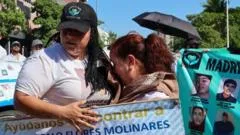
Thousands of people have taken to the streets of Culiacán to demand an end to the violence that has wracked the city in northern Mexico.
Why did residents of Culiacán take to the streets?
Residents of Culiacán organised the march to mark two years of armed conflict between two factions of the Sinaloa cartel. The groups, known as Los Chapitos and La Mayiza, began fighting after the arrest of Ismael Zambada in the United States. La Mayiza members accuse the sons of Joaquín Guzmán of betraying Zambada, leading to repeated ambushes, drive-by shootings and roadblocks created by burning hijacked vehicles. Official figures indicate that murders, disappearances, extortion and robberies have all increased across Sinaloa since the feud began. More than three million people live in the state and many report that daily life has been disrupted by the violence. The state of Sinaloa has seen the number of murders and disappearances skyrocket since the two factions started their bloody war two years ago. Residents dressed in white held up posters of missing loved ones and signs reading 'We don't want fear, we want peace' at the protest on Sunday. The march was scheduled to coincide with the second anniversary since the start of the conflict which broke out after the arrest of wanted drug lord Ismael 'El Mayo' Zambada in the US. His followers, La Mayiza, allege he was betrayed by the son of the infamous founder of the Sinaloa cartel, Joaquín 'El Chapo' Guzmán, and have turned on members of his faction, Los Chapitos. The two factions regularly carry out ambushes, drive-by shootings and erect roadblocks by hijacking trucks, which they set alight. Residents of Culiacán have been caught up in this internecine war. Not only has the number of murders and disappearances shot up in the state but also those of extortions and robberies, official figures suggest.
What impact has the conflict had on local businesses and families?
Business leader Sergio Esquer stated that more than 5,000 businesses have closed since the start of the fighting. Esquer, who belongs to the Movimiento Ciudadano party, described the closures as part of the broader tragedy affecting Sinaloa. Relatives of victims also attended the march, including families of a one-year-old boy killed by a stray bullet during a shootout the previous week. Protest organisers included victim associations, local businesses, civil society groups and the Catholic Church. Participants wore white clothing and carried signs calling for peace rather than fear. Businessman Sergio Esquer told AFP news agency that more than 5,000 businesses had closed since the start of the feud. 'That's the tragedy Sinaloa is experiencing,' Esquer said. Not only has the number of murders and disappearances shot up in the state but also those of extortions and robberies, official figures suggest. Sunday's protest was organised by relatives of victims, local businesses, civil society groups and the Catholic Church. More than three million people live in Sinaloa and many say that the war between the two rival factions has blighted their lives. The state of Sinaloa has seen the number of murders and disappearances skyrocket since two factions of the Sinaloa cartel started a bloody war two years ago.
What did religious and political figures say at the event?
The bishop of Culiacán opened the event with a Mass and addressed the warring groups directly. He urged them to consider the effect of the violence on families, young people and the city, stating that no amount of power, money, territory or ambition justifies the loss of human life. State governor Rubén Rocha faces separate allegations from US prosecutors that he and other officials conspired with Los Chapitos to smuggle drugs. Rocha has denied the claims and has taken temporary leave from office while investigations continue in both countries. The event started with a Mass in which the bishop of Culiacán called on members of the warring groups to put an end to their violence. 'Stop, look at what's happening, look at the affected families, look at the young people and at our city. No amount of power, of money, territory or ambition is worth more than a human life,' he said. Three weeks ago, he returned to his post, but just days later requested another leave of absence after President Claudia Sheinbaum wrote on social media, without directly naming him, that 'power without principles becomes arrogance'. In April, US prosecutors accused the state's governor, Rubén Rocha, and nine other current and former officials of conspiring with Los Chapitos to smuggle drugs into the US. Rocha, who has denied any wrongdoing, stepped down temporarily while Mexican prosecutors opened an investigation of their own into the allegations.
How has the violence changed daily life in Sinaloa?
Residents report that fear has become constant in Culiacán and surrounding areas. Roadblocks and shootouts have restricted movement and affected commerce. The protest organisers highlighted both the human cost and the economic damage caused by the ongoing feud. 'Fear is everywhere': BBC reports from Mexican city turned into war zone by drug cartel feud. The two factions regularly carry out ambushes, drive-by shootings and erect roadblocks by hijacking trucks, which they set alight. Residents of Culiacán have been caught up in this internecine war. Thousands of people have taken to the streets of Culiacán to demand an end to the violence that has wracked the city in northern Mexico. The state of Sinaloa has seen the number of murders and disappearances skyrocket since two factions of the Sinaloa cartel started a bloody war two years ago. Residents dressed in white held up posters of missing loved ones and signs reading 'We don't want fear, we want peace' at the protest on Sunday. More than three million people live in Sinaloa and many say that the war between the two rival factions - known as Los Chapitos and La Mayiza - has blighted their lives.
Frequently asked questions
What triggered the current Sinaloa cartel conflict?
The conflict began after the arrest of Ismael Zambada in the United States. La Mayiza accuses Los Chapitos of betrayal. His followers, La Mayiza, allege he was betrayed by the son of the infamous founder of the Sinaloa cartel, Joaquín 'El Chapo' Guzmán, and have turned on members of his faction, Los Chapitos. The march was scheduled to coincide with the second anniversary since the start of the conflict - which broke out after the arrest of wanted drug lord Ismael 'El Mayo' Zambada in the US.
How many businesses have closed in Sinaloa?
Business leader Sergio Esquer told AFP that more than 5,000 businesses have closed since the feud started. 'That's the tragedy Sinaloa is experiencing,' Esquer, who is a leader in the centre-left opposition party Movimiento Ciudadano, said. Businessman Sergio Esquer told AFP news agency that more than 5,000 businesses had closed since the start of the feud.
Who organised the Culiacán march?
The march was organised by relatives of victims, local businesses, civil society groups and the Catholic Church. Sunday's protest was organised by relatives of victims, local businesses, civil society groups and the Catholic Church.
Has the governor of Sinaloa been accused of involvement?
US prosecutors have accused Governor Rubén Rocha of conspiring with Los Chapitos. He denies the allegations and has taken temporary leave. In April, US prosecutors accused the state's governor, Rubén Rocha, and nine other current and former officials of conspiring with Los Chapitos to smuggle drugs into the US. Rocha, who has denied any wrongdoing, stepped down temporarily while Mexican prosecutors opened an investigation of their own into the allegations. Three weeks ago, he returned to his post, but just days later requested another leave of absence after President Claudia Sheinbaum wrote on social media, without directly naming him, that 'power without principles becomes arrogance'.
What was the bishop's message to the cartels?
The bishop called on the groups to stop the violence, stating that no amount of power or territory is worth a human life. 'Stop, look at what's happening, look at the affected families, look at the young people and at our city. No amount of power, of money, territory or ambition is worth more than a human life,' he said. The event started with a Mass in which the bishop of Culiacán called on members of the warring groups to put an end to their violence.
Key takeaways
- Thousands marched in Culiacán on the second anniversary of the Sinaloa cartel feud.
- More than 5,000 businesses have closed according to local business leaders.
- Murders, disappearances and extortion have risen since the conflict began two years ago.
- The bishop of Culiacán urged the factions to end the violence during a Mass before the march.
- Governor Rubén Rocha faces US charges he denies and remains on temporary leave.
Outlook for Culiacán and Sinaloa
The protest represents one of the largest public expressions of opposition to the cartel violence in recent months. Organisers hope the demonstration will increase pressure on both the warring factions and government authorities to address the security crisis. No immediate resolution to the conflict between Los Chapitos and La Mayiza has been reported. [TO VERIFY: current status of governor's leave and any new statements from Mexican authorities]