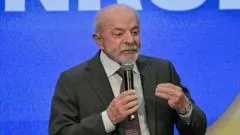
An online gambling ban in Brazil has become a central political pillar as President Luiz Inácio Lula da Silva moves to prohibit sports betting and online casinos. This decisive provisional order comes just days before a high-stakes presidential election where Lula seeks a fourth term. The move aims to address severe social issues linked to addiction and financial ruin. This analysis explores the legal implications of the ban, the political friction it has ignited, and the socio-economic drivers behind the decision.
The legislative push to prohibit online betting
President Luiz Inácio Lula da Silva has formally signed a provisional order that prohibits all forms of online casinos and sports betting across the nation. This legislative maneuver is designed to immediately halt the expansion of digital wagering platforms that have become ubiquitous in Brazilian society. However, the permanence of this restriction is not yet guaranteed. Under the current legal framework, the new measures must secure approval from the Brazilian Congress within a 120-day window to remain in force.
The crackdown is not limited to a simple prohibition of access. Lula has also signed a bill specifically aimed at penalizing criminal activities tied to fixed-odds betting. By targeting the intersection of gambling and organized crime, the administration seeks to create a more robust legal deterrent. This dual approach of banning the activity while criminalizing related offenses suggests a comprehensive attempt to dismantle the current digital betting infrastructure.
The president's decision follows his recent participation in the United Nations General Assembly, where he criticized the gambling industry for its business model. According to the president's statements, the sector has effectively transformed individual addiction into corporate profit. This international stance sets the stage for a domestic battle over how the state manages digital vices and protects its citizens from predatory financial practices.
Socio-economic impacts and the 'cancer' of addiction
The primary driver for this sudden regulatory shift is the profound social damage attributed to the gambling industry since its legalization in 2018. Lula has used stark metaphors to describe the situation, labeling the industry a "cancer" and stating that the nation must either remove the tumor or face certain destruction. This rhetoric highlights the severity of the addiction crisis currently affecting Brazilian households.
The human cost of unregulated betting has become a focal point of the administration's argument. Lula reported receiving testimonies from families who have been forced to liquidate all their household assets to cover gambling debts. The lack of previous restrictions meant that there were virtually no safeguards to prevent children and adolescents from accessing these high-risk digital platforms. This demographic vulnerability has fueled public outcry and provided the political momentum for the ban.
Data suggests that the public sentiment aligns with the president's drastic measures. According to a survey by Atlas and Bloomberg published this week, approximately 59.9% of Brazilian adults support a ban on internet betting. This significant majority provides Lula with a degree of social legitimacy, even as the move is challenged by political opponents on the grounds of economic interference and political timing.
Political volatility ahead of the presidential election
The timing of the ban is inseparable from the upcoming presidential election, where Lula is locked in a tight race for a fourth term. The current polling indicates that the 80-year-old leader is nearly neck-and-neck with Flávio Bolsonaro, the son of the former president. This creates a high-pressure environment where every major policy announcement is scrutinized for its electoral utility.
Opposition leaders have been quick to frame the ban as a tactical maneuver rather than a social necessity. Flávio Bolsonaro has criticized the crackdown, describing it as populist, hypocritical, and driven by political motives. During a campaign rally in Rio de Janeiro, the opposition argued that the move was designed to sway voters by appearing as a protector of the family unit, while ignoring the complexities of the regulated economy.
Lula has defended the necessity of the order by pointing to the historical mismanagement of the sector. While acknowledging that the foundations for online betting were laid during the administration of Michel Temer, he argued that the industry grew without sufficient regulation during Jair Bolsonaro's tenure. By framing the issue as a failure of previous management, Lula is attempting to distance his administration from the fallout while positioning himself as the corrective force for a systemic problem.
FAQ
What is the legal status of online gambling in Brazil?
Most forms of traditional gambling, including casinos and slot machines, remain illegal in Brazil. However, online betting and sports wagering were legalized in 2018. The current provisional order signed by President Lula seeks to reverse this trend by prohibiting all online casinos and sports betting platforms.
How long will the new gambling ban remain in effect?
The ban is currently a provisional order. For these new regulations to become permanent law, they must receive formal approval from the Brazilian Congress. The administration has a 120-day window to secure this legislative support, after which the measures could potentially be overturned.
Why did President Lula implement this ban now?
Lula cited the devastating impact of gambling addiction on Brazilian families, noting that many have lost their entire household incomes to betting. He also argued that the industry grew without adequate regulation, particularly regarding the protection of minors, and sought to address these social issues before the upcoming election.
Conclusion
The attempt to implement an online gambling ban in Brazil represents a high-stakes intersection of social policy and electoral strategy. By targeting an industry that has seen explosive growth since 2018, President Lula is addressing a documented crisis of addiction and financial instability. However, the move has also intensified the political rivalry with the Bolsonaro camp, turning a regulatory issue into a central campaign theme. The ultimate success of this policy depends on whether the administration can secure congressional approval within the next 120 days and whether the public views the ban as a genuine social safeguard or a populist electoral tactic.