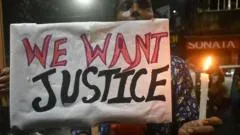
The Bihar teen assault video, which went viral on 21 September 2026, has ignited intense public anger across India following the sexual assault of a teenage girl and the physical beating of her male companion in Jamui district. The incident, occurring on 19 September, involves two 10th-standard students who were intercepted by a group of men while taking photographs. Police have arrested three minors and invoked the Protection of Children from Sexual Offences (Pocso) Act. This article examines the details of the assault, the ongoing police investigation, the legal framework applied, and the growing political confrontation regarding safety in Bihar.
What happened in the Jamui district assault?
The assault took place on Saturday, 19 September, around 19:00 local time, involving two minors who were students at the same coaching institute. According to police reports, the teenagers had gathered in the area to take photographs following their classes when they were surrounded by a group of men.
Viral footage of the encounter shows the students repeatedly pleading to be allowed to leave the scene. The video captures a male student being slapped and grabbed by his collar while attempting to protect his classmate. Simultaneously, the teenage girl is subjected to inappropriate touching; in one specific clip, she is seen being carried away by a man as the boy tries to intervene. Although the incident occurred on Saturday, it only gained widespread attention on Monday after the video began circulating on social media platforms.
How is the police investigation progressing in Bihar?
Jamui police began their investigation after the video went viral, as the victims had not initially reported the incident to the authorities. Police Chief Bishwajeet Dayal stated that officers were able to trace the two teenagers by identifying the registration number of a vehicle visible in the footage.
The investigation has resulted in several key developments:
- Arrests: Senior police officer KS Anupam confirmed that three minors have been arrested in connection with the assault.
- Ongoing Search: Investigators have established the involvement of two additional individuals, and a special investigation team has been formed to apprehend the remaining suspects.
- Social Media Action: Authorities have initiated action against 32 social media accounts accused of circulating the footage, specifically because the clips allowed for the identification of the teenagers.
- Legal Filing: A formal case was registered following a written complaint from the girl, utilizing both special and general criminal codes.
The role of digital evidence in the Jamui case
The role of digital evidence was central to this investigation, as the video served as the primary catalyst for police intervention. Without the viral circulation of the footage, the crime might have remained unreported. However, the digital nature of the evidence also created secondary legal issues regarding the privacy of the victims. The police's ability to use vehicle registration numbers from the video demonstrates the increasing reliance on forensic digital analysis in local criminal investigations.
What legal charges have been applied to the suspects?
The legal response to the assault is governed by both specialized child protection laws and the standard Indian criminal code. Because the victims are minors, the primary legal framework being utilized is the Protection of Children from Sexual Offences (Pocso) Act, which is designed to provide stringent protections and penalties for crimes against children.
In addition to the Pocso Act, police have invoked several specific sections of the Indian criminal code to address the nature of the violence. These include:
- Assault or criminal force used against a woman with the specific intent to outrage her modesty.
- Assault or criminal force used with the intent to disrobe the victim.
- Acts carried out with a common intention, addressing the group nature of the assault.
The National Commission for Women has intervened in the legal process, demanding an impartial investigation and a formal report from the Bihar police. The Commission has also issued a directive to authorities to prevent any further sharing of the video clips to safeguard the girl's identity and privacy.
Why has the incident sparked political conflict in Bihar?
The assault has become a flashpoint for political tension between the governing coalition in Bihar and the opposition parties. While the government maintains that it is taking strict action, opposition leaders have used the incident to question the state's broader ability to protect women and girls.
The political reactions can be categorized into three distinct viewpoints:
Governmental response and defense
Members of Bihar's governing coalition have rejected claims that the state suffers from a systemic breakdown of law and order. Bihar minister Shravan Kumar characterized the event as part of "sporadic incidents" that the government is actively monitoring, noting that the world is not entirely free of crime. Similarly, Umesh Kushwaha of the Janata Dal (United) initially referred to such cases as "isolated incidents," though he later claimed his remarks were misrepresented and promised accountability.
Opposition criticism of safety standards
Opposition leaders have been highly critical of the state's security environment. Rahul Gandhi, a senior leader of the Congress party, described the footage as deeply disturbing and argued that it reflected a patriarchal belief that men have the right to police women's movements. Tejashwi Yadav, the opposition leader in Bihar, expressed deep shame and accused the government of failing to ensure the safety of women and girls in the state.
Local legislative perspective
Shreyasi Singh, a Bihar minister and legislator from Jamui, provided a nuanced local perspective. While acknowledging that women in Bihar are advancing in various sectors, she emphasized that concerns regarding their safety remain persistent. Singh described the incident as bringing "shame to society" and called for the immediate arrest of all remaining suspects.
Key takeaways
- Three minors have been arrested in Jamui, Bihar, following a viral video of a teenage girl's assault.
- Police are utilizing the Protection of Children from Sexual Offences (Pocso) Act to prosecute the suspects.
- The investigation was triggered by viral video footage rather than an initial victim report.
- Authorities are taking action against 32 social media accounts for circulating identifiable footage.
- The incident has triggered a major political debate regarding women's safety and "moral policing" in Bihar.
Frequently asked questions
What is the Pocso Act in India?
The Protection of Children from Sexual Offences (Pocso) Act is a stringent Indian law designed to protect minors from sexual assault and harassment. It provides a specialized legal framework that ensures child victims receive specific protections during investigations and trials, often carrying heavier penalties than standard criminal codes.
How did the police find the suspects?
The police identified the suspects through digital evidence found in the viral video. By tracing the registration number of a vehicle visible in the footage, officers were able to locate the teenagers and subsequently identify the individuals involved in the assault in the Jamui district.
Why is the video being restricted by authorities?
The National Commission for Women and local police are working to prevent the further sharing of the video to protect the victim's privacy. Because the footage contains identifiable information, its continued circulation poses a significant risk to the girl's identity and long-term well-being.
What is "moral policing" in this context?
In the context of this incident, "moral policing" refers to the act of a group of individuals using force or intimidation to enforce their own perceived social or moral standards. Critics argue the men targeted the teenagers simply for being together in a public space.
Has the government responded to the outrage?
The Bihar government has responded by stating that those responsible will face strict action. While some officials described the event as an isolated or sporadic incident, they have also formed a special investigation team to ensure all suspects are apprehended and held accountable.
Conclusion
The assault in Jamui serves as a grim reminder of the ongoing challenges regarding women's safety and the phenomenon of moral policing in India. While the swift arrest of three minors and the application of the Pocso Act demonstrate a legal response, the incident has exposed significant gaps in the immediate protection of minors. The political fallout highlights a deep division over the state's law-and-order efficacy. As the special investigation team continues its work, the focus remains on ensuring justice for the victims while navigating the complexities of digital privacy and social accountability in a highly charged environment.