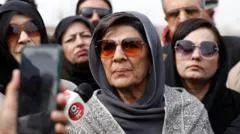
Aleema Khanum arrest has sent shockwaves through Pakistan's political landscape following the detention of the sister of imprisoned former Prime Minister Imran Khan. The Pakistan Tehreek-e-Insaf (PTI) party confirmed the arrest in Lahore on Sunday, describing the move as an illegal detention. This development occurs as the country prepares for significant civil unrest scheduled for late September. Local human rights groups have already expressed concern regarding the legality of the move. This analysis examines the circumstances of her detention, the legal justifications provided by authorities, and the broader implications for the upcoming protests.
Details surrounding the Aleema Khanum arrest
Aleema Khanum was detained by authorities in the eastern city of Lahore on Sunday afternoon, according to reports from PTI officials. The Pakistan Tehreek-e-Insaf party has characterized the incident as an illegal detention, signaling a deepening rift between the political opposition and the current administration. Following the arrest, Khanum's family reported a period of uncertainty, stating they had received no information regarding her location or status.
Her son, Shahrez Khan, has publicly demanded her immediate release and the disclosure of her whereabouts. Writing on the social media platform X, he called for the government to ensure her safe return. A police official confirmed the arrest to the BBC, noting that the order mandates her transfer to the Kot Lakhpat jail located in Lahore.
Khanum has long been a prominent figure within her brother's political circle. She is a vocal critic of Imran Khan's imprisonment and frequently utilizes both social media and public forums to communicate with his supporters. Her role as a spokesperson and mobilizer has made her a central figure in the PTI's efforts to maintain momentum while the former Prime Minister remains behind bars.
Legal justifications and government allegations
The arrest order, issued by Lahore's deputy commissioner, alleges that Khanum has been actively mobilizing supporters through public meetings and social media platforms. Authorities have justified the 30-day detention by claiming her actions are intended to incite instability. Specifically, the order states that she has been attempting to create law and order situations and has been seen chanting objectionable slogans against the government in public spaces.
The government's stance remains firm on preventing civil disorder. Pakistan's interior minister has stated that the planned protests pose a significant harm to the country. According to local media reports, the minister emphasized that the administration will utilize all available resources to prevent the demonstrations from disrupting national stability.
This legal crackdown is part of a wider effort to manage the volatility surrounding the PTI. By targeting key family members and organizers, the state aims to disrupt the logistical capabilities of the party's leadership. However, the PTI views these legal maneuvers as politically motivated attempts to silence dissent and prevent the mobilization of the masses.
Implications for the upcoming September 27 protests
Many political analysts have linked the detention of Khanum to the nationwide protests scheduled for 27 September. On this date, demonstrators are planning a massive march toward the Pakistani capital, Islamabad, to show support for Imran Khan. The arrest of a high-profile family member is seen by many as a preemptive strike to weaken the protest movement's coordination.
In anticipation of this unrest, security measures in Islamabad have already been significantly heightened. Streets throughout the capital are reportedly being lined with shipping containers. These barriers are positioned to safeguard critical government buildings and prevent protesters from accessing the heart of the administrative district.
The tension in the capital reflects the high stakes of the upcoming demonstrations. As the date approaches, the potential for confrontation between security forces and PTI supporters remains elevated. The government's strategy of fortification suggests a belief that the protests could pose a genuine threat to the continuity of state functions in the capital.
The ongoing legal battles of Imran Khan
Imran Khan has been held in detention since 2023, facing a complex web of legal challenges that he describes as politically motivated. The former Prime Minister is currently facing over 100 different cases, with charges ranging from the leaking of state secrets to the mishandling of state gifts. One of the primary cases that led to his initial imprisonment involved the failure to declare income earned from the sale of gifts received during his tenure in office.
The severity of the legal pressure on Khan has increased over the last year. He was previously sentenced to 14 years in prison in a land corruption case, which stands as the longest sentence he has received to date. These legal proceedings have become a focal point for his supporters, who view the judicial process as a tool used by his political rivals to ensure his removal from the political arena.
Beyond the legal battles, there are growing concerns regarding his physical well-being. While in prison, Khan's health has reportedly been deteriorating. According to recent reports, the former leader was required to visit a hospital for a medical examination last month, highlighting the human cost of his prolonged incarceration and the intense scrutiny on his condition by both his family and political allies.
Frequently Asked Questions
Why was Aleema Khanum arrested?
Aleema Khanum was arrested following an order from Lahore's deputy commissioner. The authorities allege she was mobilizing supporters through social media and public meetings to create law and order situations and chant objectionable slogans against the government. She is currently facing a 30-day detention period.
When are the planned protests in Pakistan?
The protests are scheduled to take place on 27 September. Demonstrators plan to march toward Islamabad to express their support for the imprisoned former Prime Minister, Imran Khan. The government has already begun securing Islamabad with shipping containers to prevent disruptions to government buildings.
What is the status of Imran Khan's legal cases?
Imran Khan is currently facing more than 100 legal cases. These charges include allegations of leaking state secrets and issues regarding the sale of state gifts. He has also received a 14-year sentence for a land corruption case, all of which he maintains are politically motivated.
Conclusion
The arrest of Aleema Khanum marks a significant escalation in the tension between the Pakistani government and the Pakistan Tehreek-e-Insaf party. By detaining a key figure close to Imran Khan, authorities are attempting to curb the momentum of the movement ahead of the critical September 27 protests. However, such actions often serve to galvanize supporters rather than suppress them. As Islamabad prepares for potential unrest with increased security measures, the country remains on edge. The intersection of Khan's legal struggles, his declining health, and the strategic detention of his family members suggests a period of prolonged and intense political instability for Pakistan.