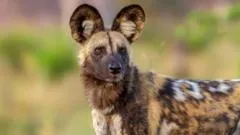
Three male African wild dogs traveled 2,485 miles across Zambia over eight months while searching for mates, marking the longest recorded dispersal for any African land mammal. The journey zigzagged through human-modified landscapes while avoiding major cities. GPS collar data from the study also revealed that other tracked dogs died in illegal snares, underscoring ongoing threats. The findings indicate that wild dog populations in eastern and southern Africa may remain more connected than previously thought.
What distance did the wild dogs cover and why is it significant?
The three brothers covered a straight-line distance of approximately 260 miles but traveled nearly 2,485 miles overall while navigating fragmented terrain. This dispersal, defined as one-way travel in search of mates, far exceeds typical movements. The UN Convention on Migratory Species lists the longest known African land migration as wildebeest traveling more than 400 miles seasonally between Tanzania and Kenya. Caribou hold the record for longest single land migration at 839 miles round trip, and grey wolves have been tracked traveling over 4,350 miles in a year. The Zambia dogs' journey therefore stands out as exceptional for a land mammal on the continent. The dogs completed the route in eight months, repeatedly adjusting paths through broken landscapes. This total distance is nearly ten times the straight-line measurement, illustrating the extensive detours required to avoid obstacles while seeking unrelated mates from other packs. African wild dogs live in highly social packs and are known for vast roaming in search of new territory and breeding opportunities. Only about 6,000 remain in the wild, making long successful dispersals particularly notable for maintaining genetic diversity. The behavior is distinct because the animals leave their natal pack at two or three years of age and travel one way until they locate mates and new territory, rather than returning seasonally.
How did the dogs navigate human pressures in Zambia?
The pack moved between wildlife strongholds while skirting the capital Lusaka and heavily developed industrial zones. Researchers noted that the animals repeatedly adjusted routes to avoid dense human settlements and infrastructure. This behavior suggests that remaining natural corridors still allow passage even as roads, farms, and towns divide the landscape. The study, published in the journal Ecology, concludes that such connectivity supports gene flow between distant populations. The three males zigzagged across the country, threading through areas shaped by people without entering major urban centers. These movements demonstrate that wild dogs can still locate viable pathways in increasingly fragmented environments, though the success of future dispersals will depend on preserving these routes. The route taken through Zambia is perhaps even more significant than the distance itself, showing the animals can thread between strongholds despite growing human pressures. The findings suggest populations across eastern and southern Africa may remain more connected than conservationists previously believed, provided corridors outside protected areas stay functional.
What risks did the dogs encounter during dispersal?
Two of three female wild dogs tracked in a parallel effort died after one became trapped in an illegal snare. Surviving pack members were observed returning repeatedly to the same location, a pattern researchers interpret as evidence of a companion's death. The study recorded additional deaths among GPS-collared dogs from snare entanglement, illustrating that dispersal carries high mortality risk outside protected areas. These findings align with broader data showing only about 6,000 African wild dogs remain in the wild. The three sisters nearly matched the males' journey before the snare incident halted them. Such losses highlight how human-set snares create lethal barriers even for animals capable of long-distance travel. The pattern of repeated returns to one site by survivors was identified as a recurring signal of companion mortality in the tracked groups. The same study that documented the record male journey also showed that snare deaths remain a primary threat, even as some individuals succeed in crossing human-modified landscapes.
What conservation measures do researchers recommend?
Lead author Professor Scott Creel of Montana State University stated that major wild dog populations in eastern and southern Africa, other than those inside fenced reserves, may still be connected. Co-author Bruce Ellender of The Nature Conservancy emphasized the need for natural land strips linking protected areas. Without such corridors, species that require large home ranges, including wild dogs and elephants, face isolation that threatens long-term survival. The researchers call for landscape-level planning beyond the boundaries of existing parks. Professor Creel noted the glass is half empty and half full, pointing to both the successful long-distance movements and the snare deaths observed in the same study. Creating connected strips of natural land outside parks is presented as essential for maintaining gene flow. The findings add weight to calls for such strips to connect areas broken apart by roads, towns, or farms. Bruce Ellender stressed that protected areas cannot be viewed as isolated islands if wide-ranging species are to persist.
How does this dispersal differ from seasonal migration?
Dispersal involves one-way movement by young adults, typically at two or three years of age, to find unrelated mates and establish new packs. Migration, by contrast, consists of repeated back-and-forth travel driven by seasonal changes in food or water. The Zambia dogs exhibited classic dispersal behavior rather than migration, traveling in search of breeding opportunities outside their natal group. They cannot breed within their birth pack and must either inherit it later or leave at two or three years old. The recorded route was strictly one-directional, ending when new mates and territories were presumably located, unlike the seasonal loops seen in wildebeest or caribou migrations. These journeys are distinct from migrations because they are not repeated seasonally but represent a single effort to locate mates and new territory. The UN Convention on Migratory Species highlights seasonal movements such as the wildebeest trek, underscoring that the wild dog record is a dispersal rather than a migration.
Frequently asked questions
What is the longest recorded dispersal for African wild dogs?
The three males covered 2,485 miles, the furthest distance documented for any African land mammal seeking a mate.
Why do wild dogs leave their birth pack?
They cannot breed within their natal group, so individuals depart at two or three years old to locate unrelated mates in other packs.
Did any of the tracked females survive their journey?
Two of the three females died after one was caught in a snare; the third stopped traveling when the snare incident occurred.
Are African wild dog populations still connected?
According to the study, populations across eastern and southern Africa appear more connected than previously believed, provided natural corridors remain intact.
What is the main threat identified in the research?
Illegal snares caused multiple deaths among collared dogs, highlighting the need for stronger anti-poaching measures outside protected zones.
Key takeaways
Three male African wild dogs traveled 2,485 miles across Zambia in eight months.
The journey represents the longest recorded dispersal for any African land mammal.
GPS data showed dogs avoided major cities while moving between wildlife areas.
Two of three tracked females died after one was caught in an illegal snare.
Researchers estimate major populations remain connected if corridors stay open.
Conservation plans must extend beyond protected-area boundaries.
Conclusion
The record dispersal demonstrates that African wild dogs can still move long distances through modified landscapes. Continued connectivity depends on maintaining natural corridors and reducing snare mortality. The data provide cautious optimism for population linkage while confirming that human pressures remain a primary threat to the species' survival.